Cruise ships are often marketed as safe, all-inclusive environments, but the reality is that thousands of passenger injuries occur every year across the global cruise industry.
From slip and fall accidents on pool decks to injuries on waterslides, stairways, and excursions, these incidents are more common than most passengers realize.
This 2026 breakdown of cruise ship injury statistics highlights where, how, and why these accidents occur, and what passengers should understand before stepping onboard.
While exact numbers can vary year to year, available data and reported incidents show that cruise ship injuries are not rare, especially on large, high capacity vessels carrying thousands of passengers.
• Millions of passengers sail annually on cruise ships worldwide
• Thousands of onboard injuries are reported across major cruise lines each year
• Slip and fall accidents are among the most frequently reported incidents
• High-traffic areas and recreational attractions account for a large percentage of injuries
• Many minor injuries go unreported, meaning actual numbers may be higher
As ships grow larger and more complex: with water parks, surf simulators, and multi-level decks, the number of potential hazard zones continues to increase.
Certain injury types appear consistently across cruise ship incident reports and passenger claims.
• Slip and fall injuries on wet pool decks and walking surfaces
• Trip and fall accidents on stairs, thresholds, and uneven flooring
• Waterslide and attraction-related injuries involving impact or collision
• FlowRider surf simulator injuries from falls and loss of balance
• Excursion-related injuries during transportation or activity participation
These injury types are closely tied to predictable environmental conditions and passenger activity patterns.
Injury data consistently points to specific onboard locations where accidents are most likely to occur.
• Pool decks and Lido areas with constant water exposure
• Interior and exterior stairways between decks
• Buffet and dining areas with heavy foot traffic and spills
• Waterslides and onboard water attractions
• Boarding zones, including tender boats and gangways
These areas combine high passenger volume with environmental risk factors, making them the most accident-prone zones onboard.
Cruise ship accidents are rarely random, they typically result from a combination of environmental conditions and human behavior.
• Wet and slippery surfaces that are not immediately addressed
• Crowded environments that limit safe movement
• Ship motion affecting balance and stability
• Distractions, including entertainment and alcohol consumption
• Inexperience with onboard attractions or unfamiliar layouts
Understanding these contributing factors is critical for both prevention and awareness.
Modern cruise ships are larger and more advanced than ever, but they also introduce new risk factors.
• Mega ships carry more passengers, increasing congestion
• Expanded attractions create more opportunities for injury
• Multi-level decks add complexity to navigation
• Increased activity zones mean more high-risk environments
• Safety protocols exist, but enforcement and conditions can vary
While safety measures have improved, the overall exposure to risk has also grown alongside ship size and onboard features.
Cruise ship injury statistics are not meant to discourage travel, but they do highlight the importance of awareness.
Passengers who understand where accidents happen most often are better positioned to avoid preventable risks and make safer decisions while onboard.
If you were injured on a cruise ship, tender boat, private island, or during a shore excursion, you may have legal options. Share a few details below and we will help connect you with an attorney experienced in cruise passenger injury claims.
If you’re researching cruise ship safety or injury risks, these topics provide deeper insight into how and where incidents occur:
• The most dangerous areas on a cruise ship (ranked)
• Pool deck slip and fall injury risks
• Cruise ship waterslide accident scenarios
• FlowRider injury risks and safety concerns
• Stairway and walkway fall hazards onboard
Exploring these areas in more detail can help paint a clearer picture of real-world cruise ship safety risks.
Being injured on a cruise is a traumatic experience. Injuries on a cruise usually occur in international waters, and finding the right attorney when you are injuried is no easy task. Let us take the guesswork out of finding the right lawyer.
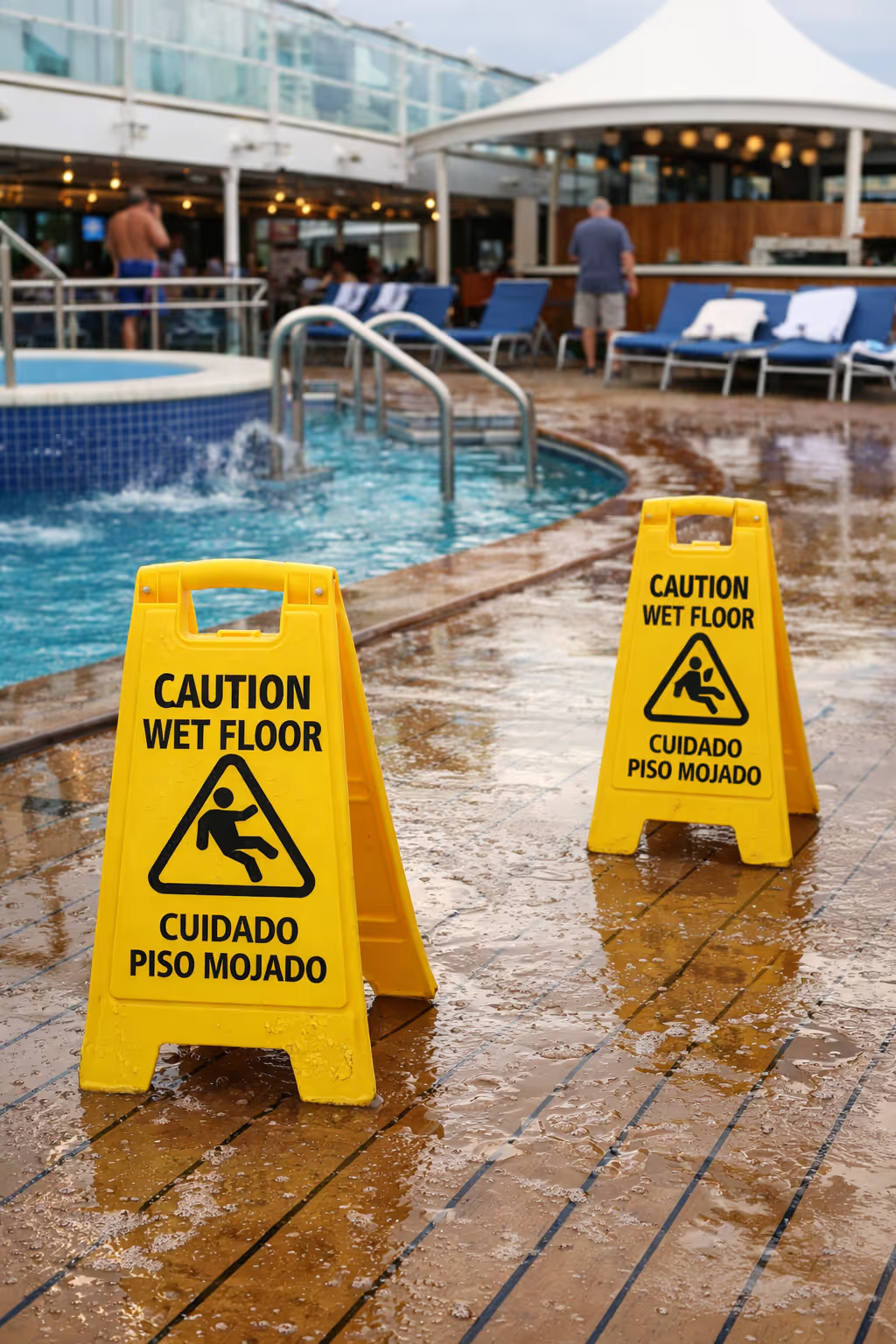
Certain areas of cruise ships present a higher risk for passenger injuries. Learn about the most common places where cruise ship accidents occur, including pool decks, stairways, buffet areas, and other onboard hazard locations.
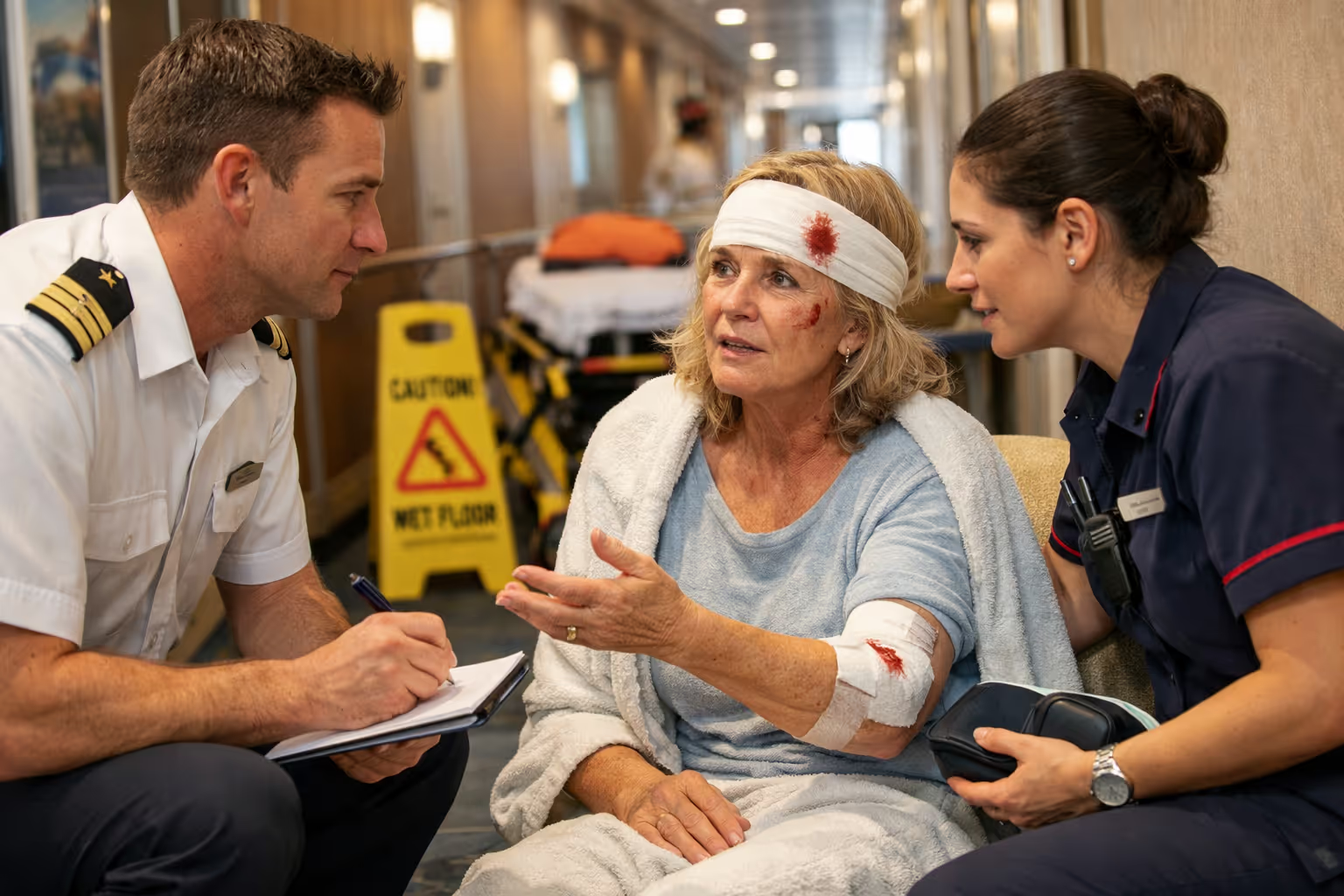
A cruise ship injury can be confusing and overwhelming. Learn the important steps passengers should consider after an onboard accident, including reporting the incident, documenting hazards, seeking medical care, and understanding your options after a cruise ship injury.
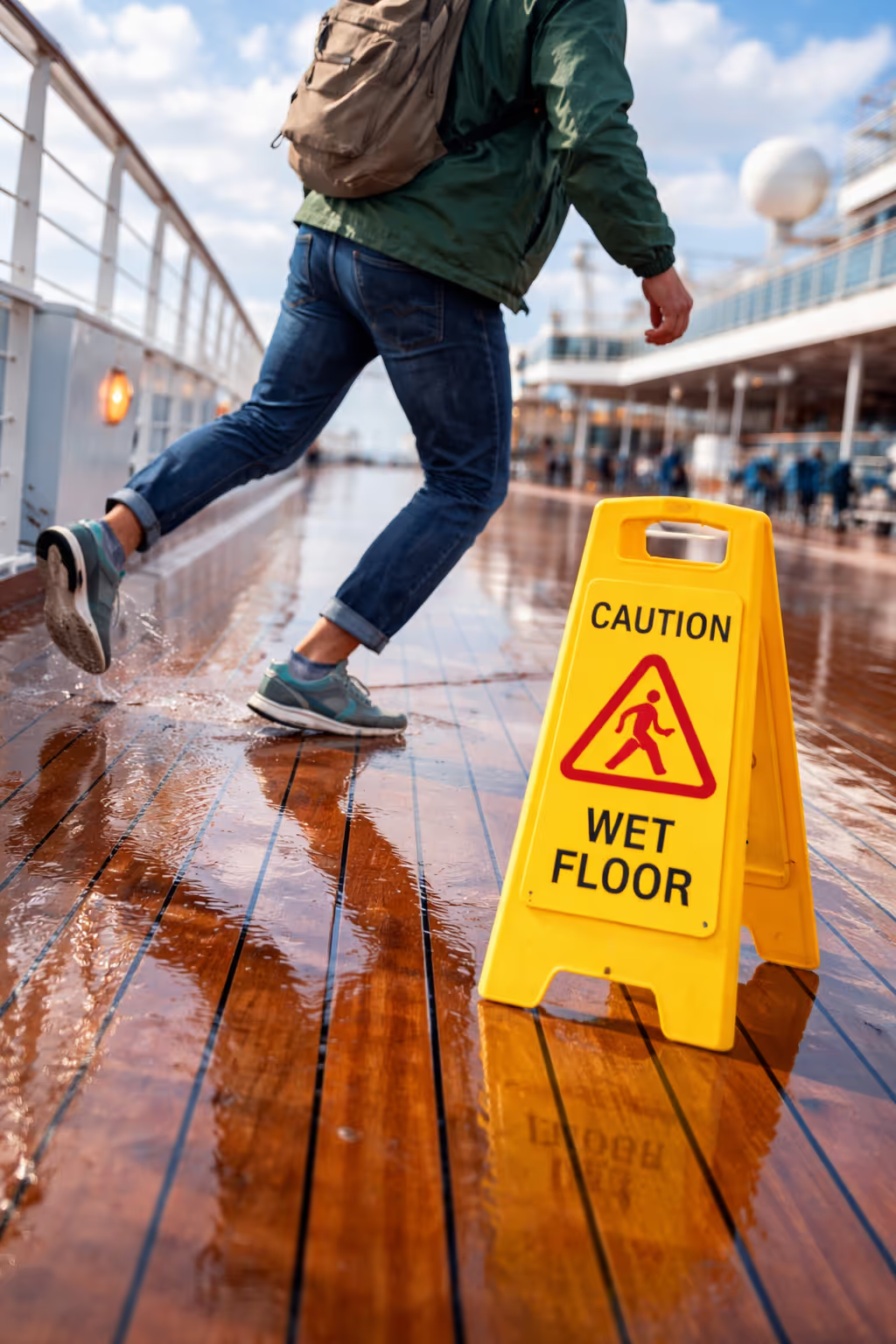
Slip and fall accidents are one of the most common causes of cruise passenger injuries. Wet pool decks, buffet areas, stairways, and outdoor walkways can all create dangerous conditions for passengers aboard cruise ships.