If you were injured on a Royal Caribbean cruise ship, your claim may be governed by federal maritime law rather than standard state personal injury law. Royal Caribbean is one of the largest cruise operators in the world, and injury claims involving the company often involve unique legal rules, contractual deadlines, and jurisdictional requirements.
CruisePassengerInjury.com is an independent legal resource that helps injured passengers understand Royal Caribbean injury claims, lawsuits, and their available options while connecting them with experienced maritime attorneys.
The moment an incident is reported on any Royal Caribbean vessel, a process begins on their side that most passengers never see. Incident reports are documented under the direction of their legal team. Evidence is preserved in ways that serve their interests. The ship moves on.
Royal Caribbean is incorporated in Liberia. Their cases are tried in federal court in Miami's Southern District; a courtroom where their attorneys practice regularly. The question is not whether they have an advantage. The question is whether the attorney you hire has ever appeared in that court.
We know which attorneys have. We connect injured passengers with them.
Most Royal Caribbean ticket contracts require written notice of your injury within 6 months of the incident.
This is not a courtesy deadline; it is a contractual requirement enforced by federal courts.
Miss it and your claim may be permanently barred before a lawsuit is ever filed.
Standard personal injury cases in most states allow 2 to 3 years to file. Maritime law cuts that in half.
Most injured passengers discover the 1 (one) year filing deadline only after they've hired an attorney who didn't move fast enough. By then, the options narrow significantly.
Surveillance footage, incident logs, maintenance records; Royal Caribbean controls all of it.
An attorney experienced in maritime claims knows exactly which records to demand and how fast to demand them. One who isn't may not know the questions to ask until the answers are already gone.
Everything about a Royal Caribbean injury claim: the law that governs it, the court where it's filed, the deadlines that control it, the defendant entity named in the suit, is different from any state personal injury case.
Here is what most passengers don't find out until it's too late.
Cruise injury cases are not tried under Florida law, Texas law, or the law of wherever you live. They operate under federal maritime law: a specialized body of law with its own standards of proof, its own negligence framework, and its own procedural rules.
A personal injury attorney who has never filed a maritime claim is starting from the beginning on a case with a 1-year deadline.
Cruise injury cases are not tried under Florida law, Texas law, or the law of wherever you live. They operate under federal maritime law: a specialized body of law with its own standards of proof, its own negligence framework, and its own procedural rules.
A personal injury attorney who has never filed a maritime claim is starting from the beginning on a case with a 1-year deadline.
Despite operating from Miami and carrying millions of American passengers, Royal Caribbean is incorporated in Liberia.
This affects the defendant entity named in your claim, the applicable liability framework, and threshold questions that a maritime-inexperienced attorney may not think to address until after they have already made a procedural error that matters.
Royal Caribbean requires activity waivers for FlowRider and several other onboard attractions. Many attorneys, and most injured passengers, treat a signed waiver as the end of the conversation. Experienced maritime attorneys know the legal arguments for and against enforcement of these waivers in federal court. The waiver is a challenge to address, not a wall to stop at.
When an injury happens on a Royal Caribbean-sold shore excursion operated by a third-party contractor, the liability chain becomes a specific legal question about how the cruise contract allocates responsibility, and when Royal Caribbean remains liable despite third-party involvement. Attorneys who haven't navigated this before may pursue the wrong defendant.
TEXT
Different Royal Caribbean ships carry different passenger volumes, operate different onboard attractions, and run different shore excursion routes. The ship where your injury occurred shapes the case: which attractions were involved, where the vessel was operating, and which evidence preservation issues are most relevant.
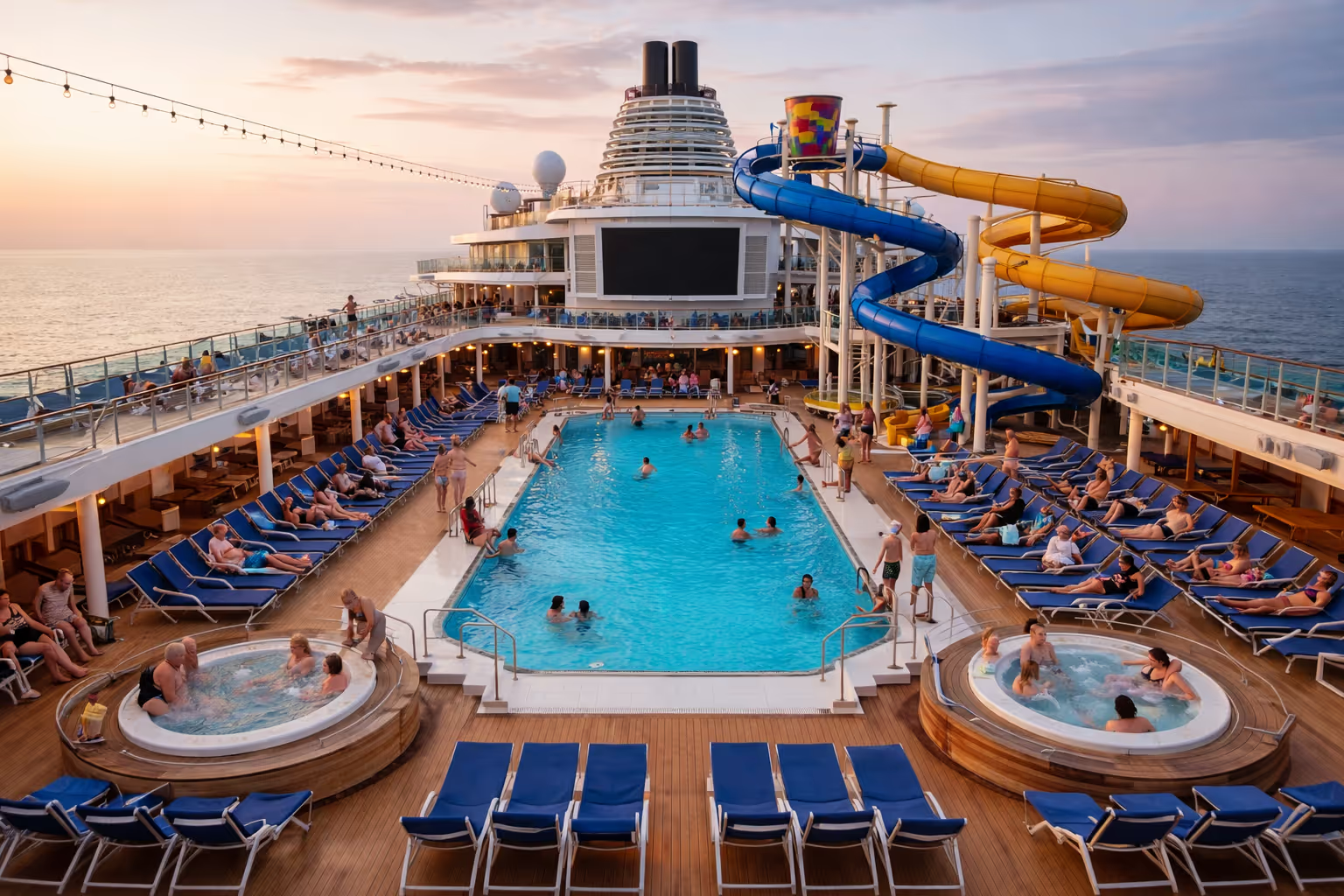
Utopia of the Seas is an Oasis Class Royal Caribbean cruise ship known for its large passenger capacity, multi-level entertainment districts, and high-traffic recreational areas.
Passenger injuries on Utopia of the Seas may occur in pool areas, water slides, stairways, dining spaces, and heavily trafficked walkways throughout the vessel.
Common incidents include slip and fall accidents, water-related injuries, crowd-related incidents, and hazards associated with wet surfaces and high passenger density.
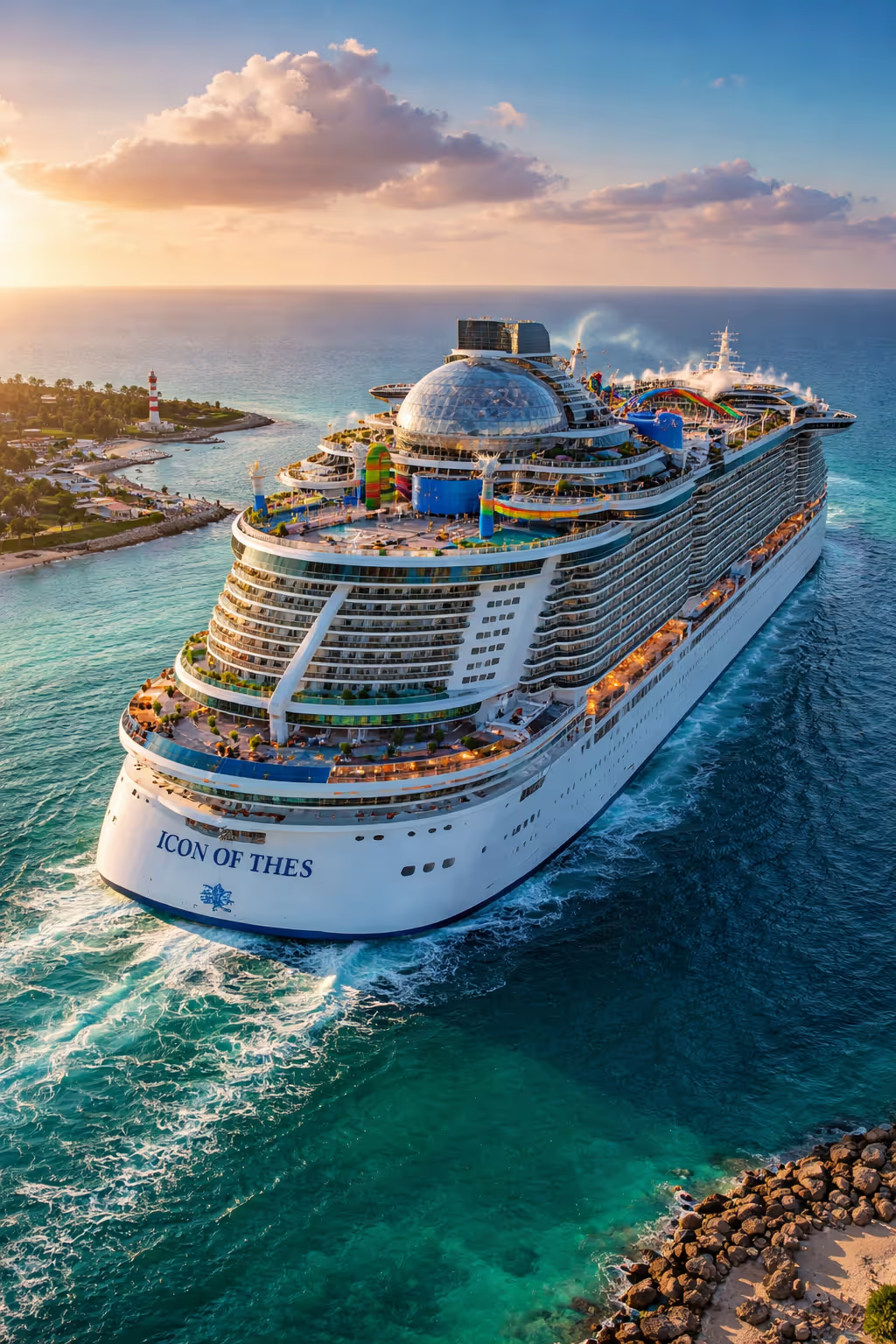
Royal Caribbean's largest vessel carries over 7,000 passengers across multiple cabin categories and six themed neighborhoods. Its scale means more people, more attractions, and more documented injury incidents than most ships in any fleet. The sheer volume of onboard activity; waterslides, surf simulators, pool decks, restaurants, creates a broad range of incident types attorneys experienced with RCCL have seen before.
Injuries on Icon of the Seas fall under the same maritime law framework as any RCCL vessel, with the same strict deadlines.
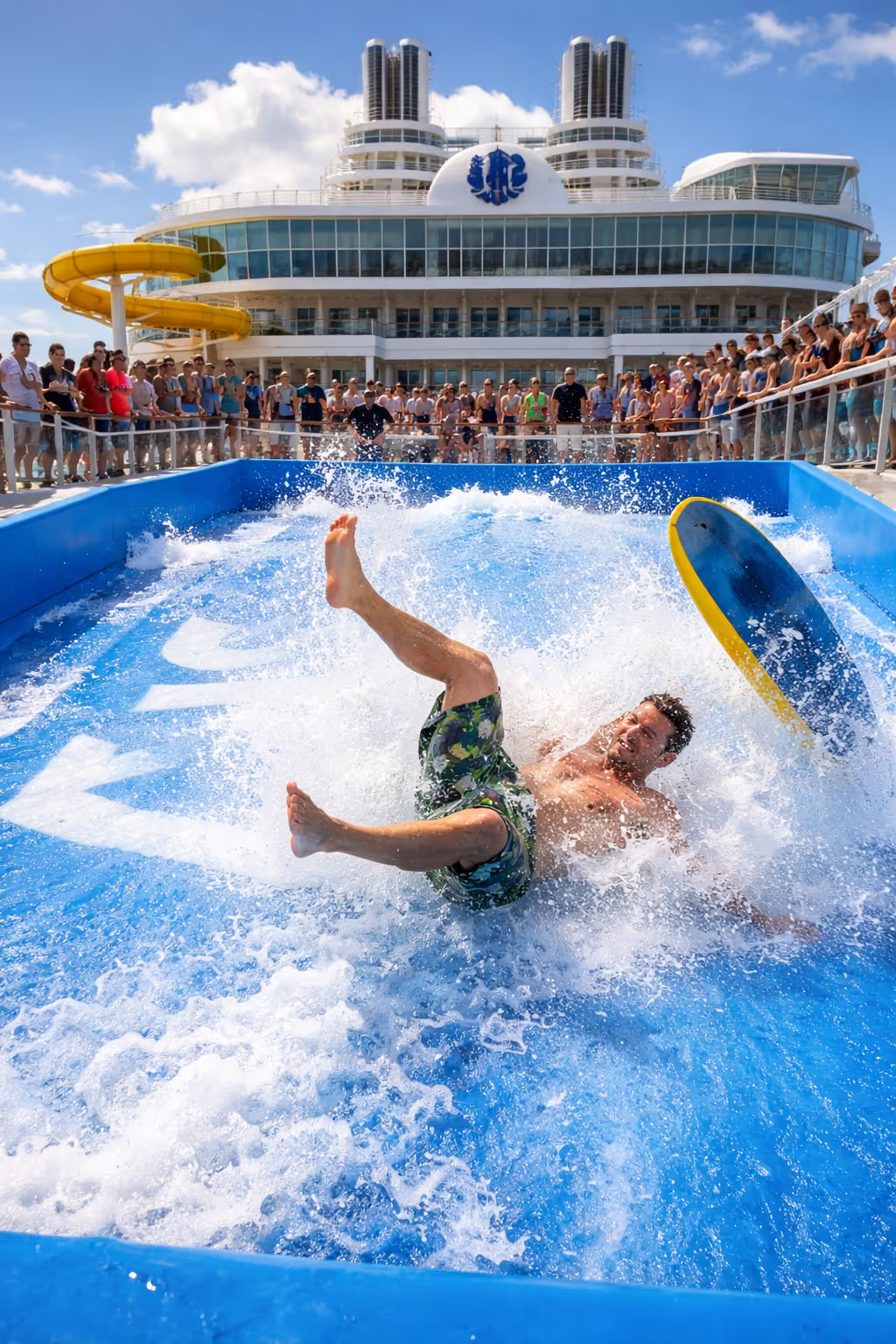
Freedom of the Seas is a Freedom Class cruise ship known for its surf simulators, pool decks, and outdoor recreational attractions.
Passenger injuries on Freedom of the Seas may occur in FlowRider areas, wet deck surfaces, and activity zones.
Common incidents include surf simulator injuries, slip and fall accidents, and recreational activity-related risks.
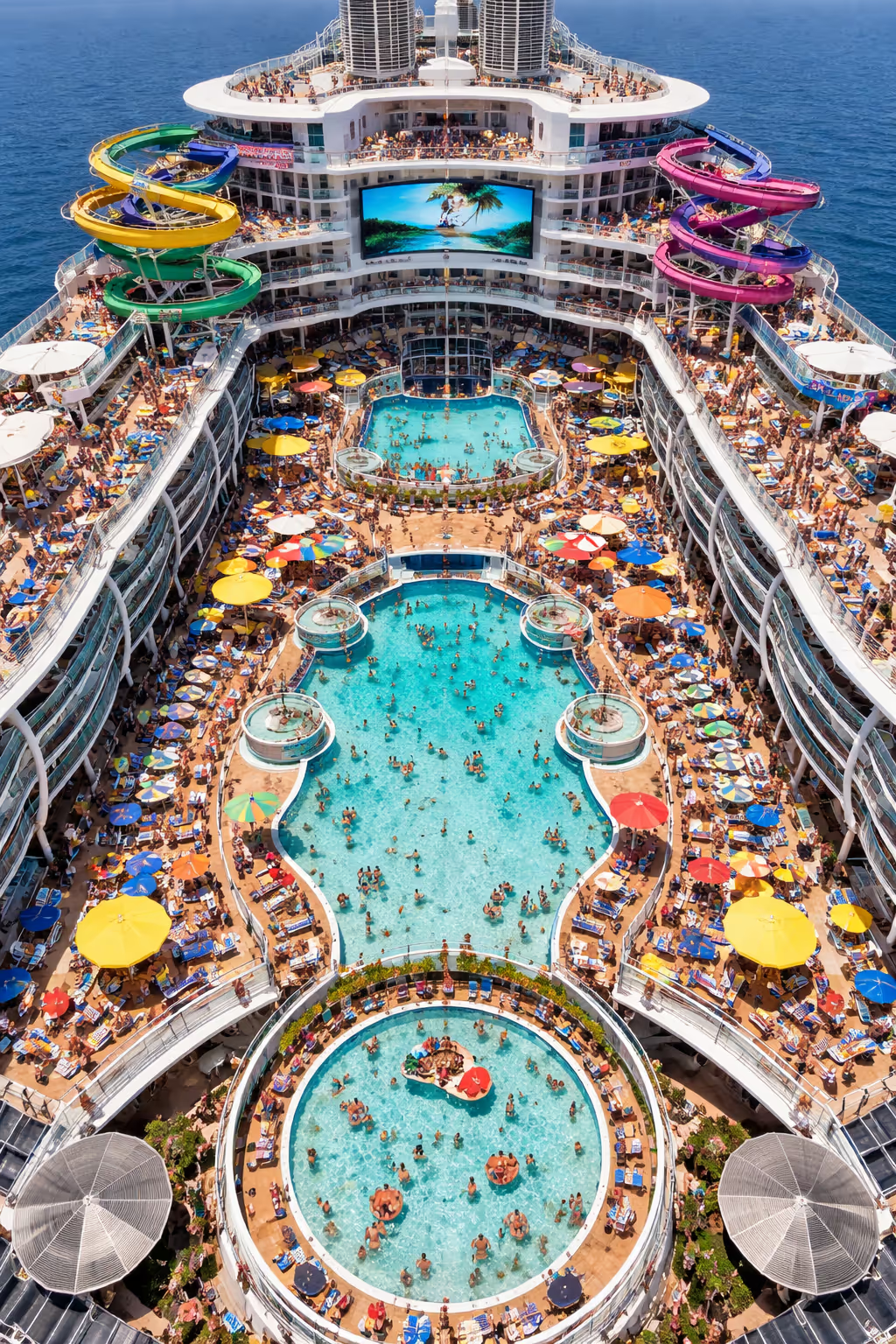
Operating primarily on Caribbean routes from Port Canaveral and Port Everglades, Harmony of the Seas keeps a high percentage of its passenger base in the southeastern United States, where many injured passengers are now searching for answers. Its proximity to Florida's maritime law community is one reason RCCL experience matters for cases originating from these homeports
Cases originating from Port Canaveral and Port Everglades are filed in the Southern District of Florida; the same court where RCCL's legal team appears regularly.
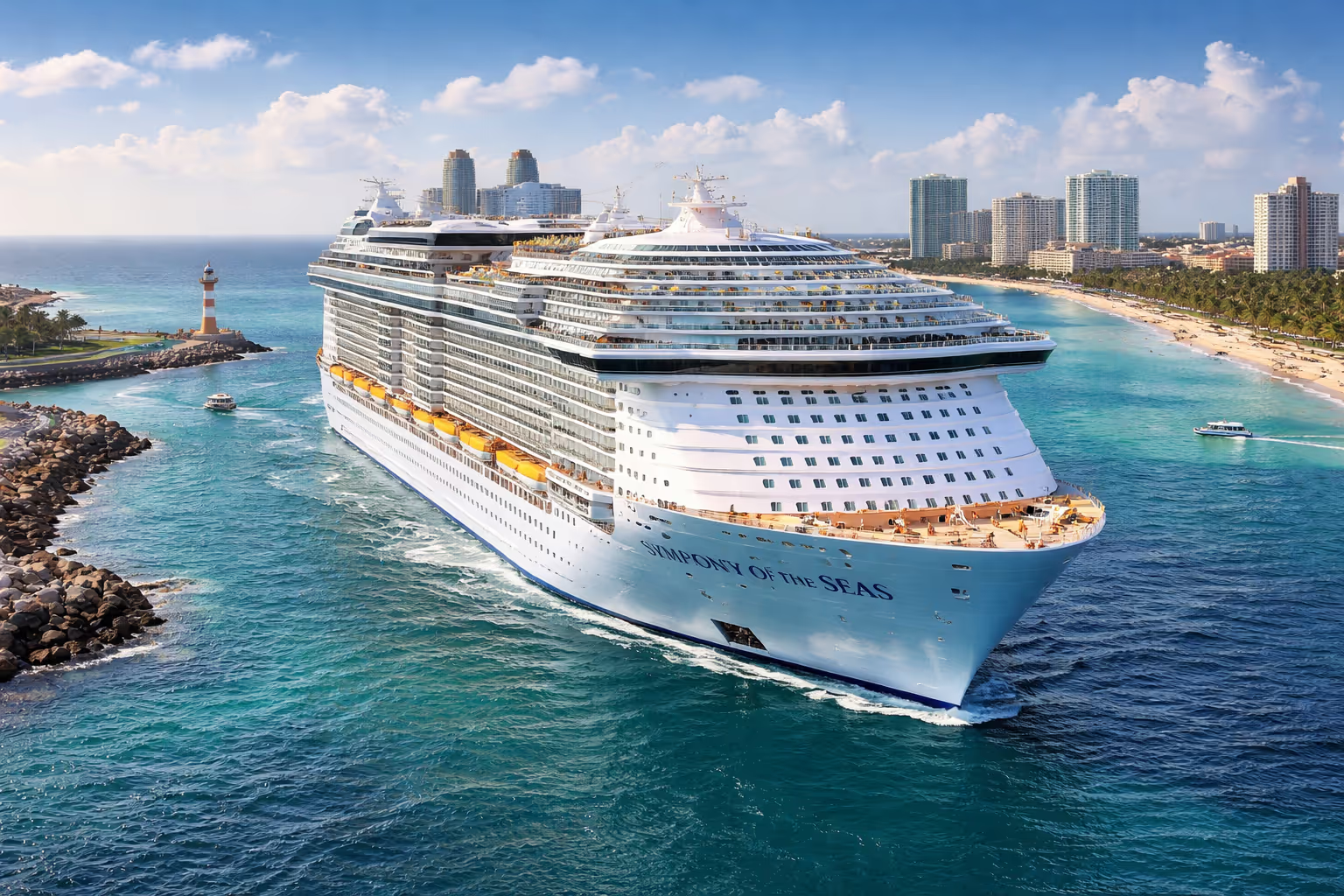
Symphony of the Seas carries approximately 6,680 passengers and operates both Caribbean and European itineraries. It features a FlowRider surf simulator, multiple waterslides, and extensive outdoor activity areas. Waiver-related injury claims on this vessel require attorneys who have challenged Royal Caribbean activity waivers in federal court before.
FlowRider and waterslide injuries on Symphony involve waiver questions that experienced maritime attorneys have argued, and won arguments around, before.
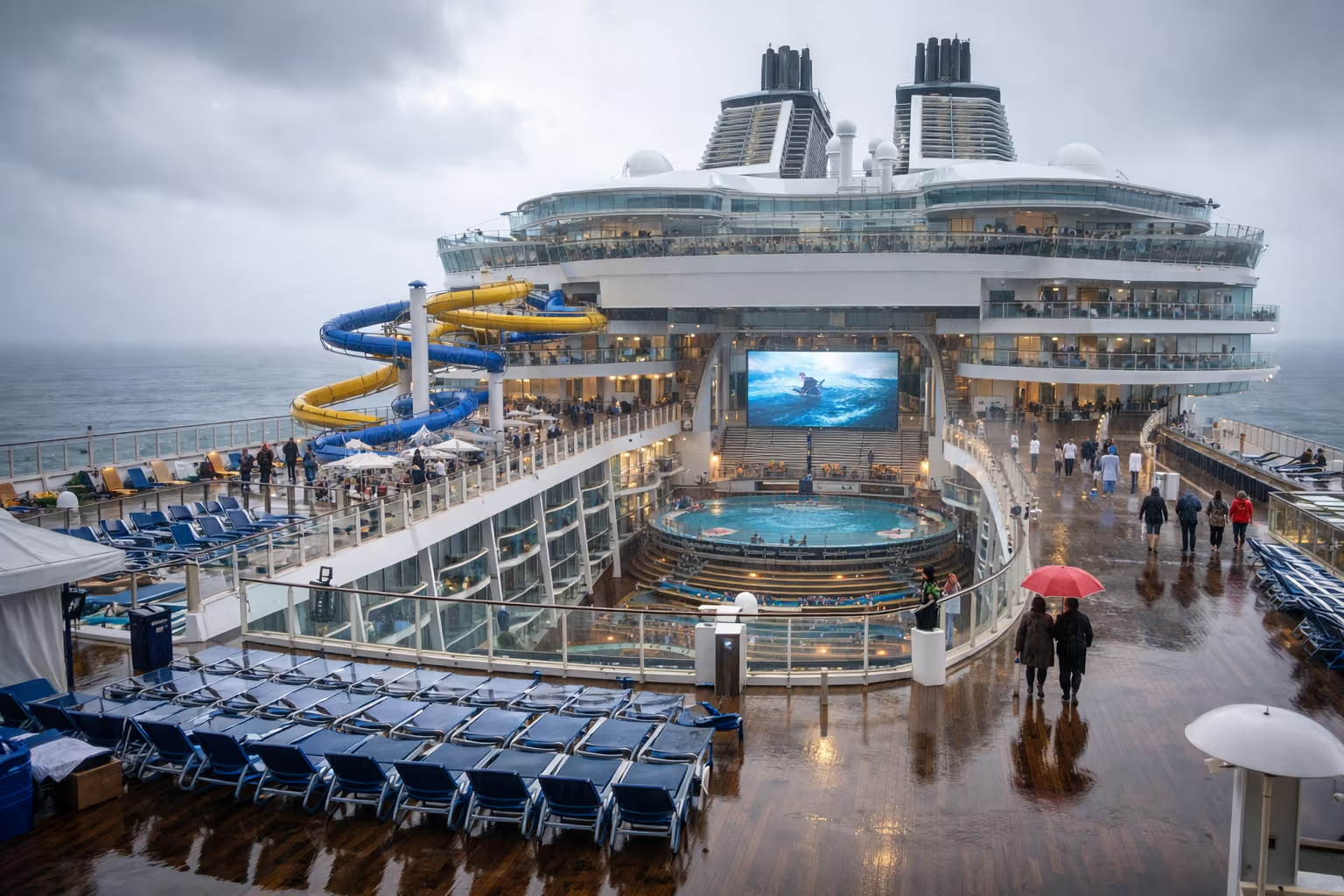
One of the original Oasis-class ships, this vessel has one of the longest operational histories of any large RCCL ship, which means its maintenance records, incident history, and documented attraction safety logs span years. Attorneys who understand how to request and use this historical documentation in federal discovery have a material advantage in cases involving recurring safety conditions.
Long-running vessels generate longer evidence trails, which experienced maritime attorneys know how to surface and use.
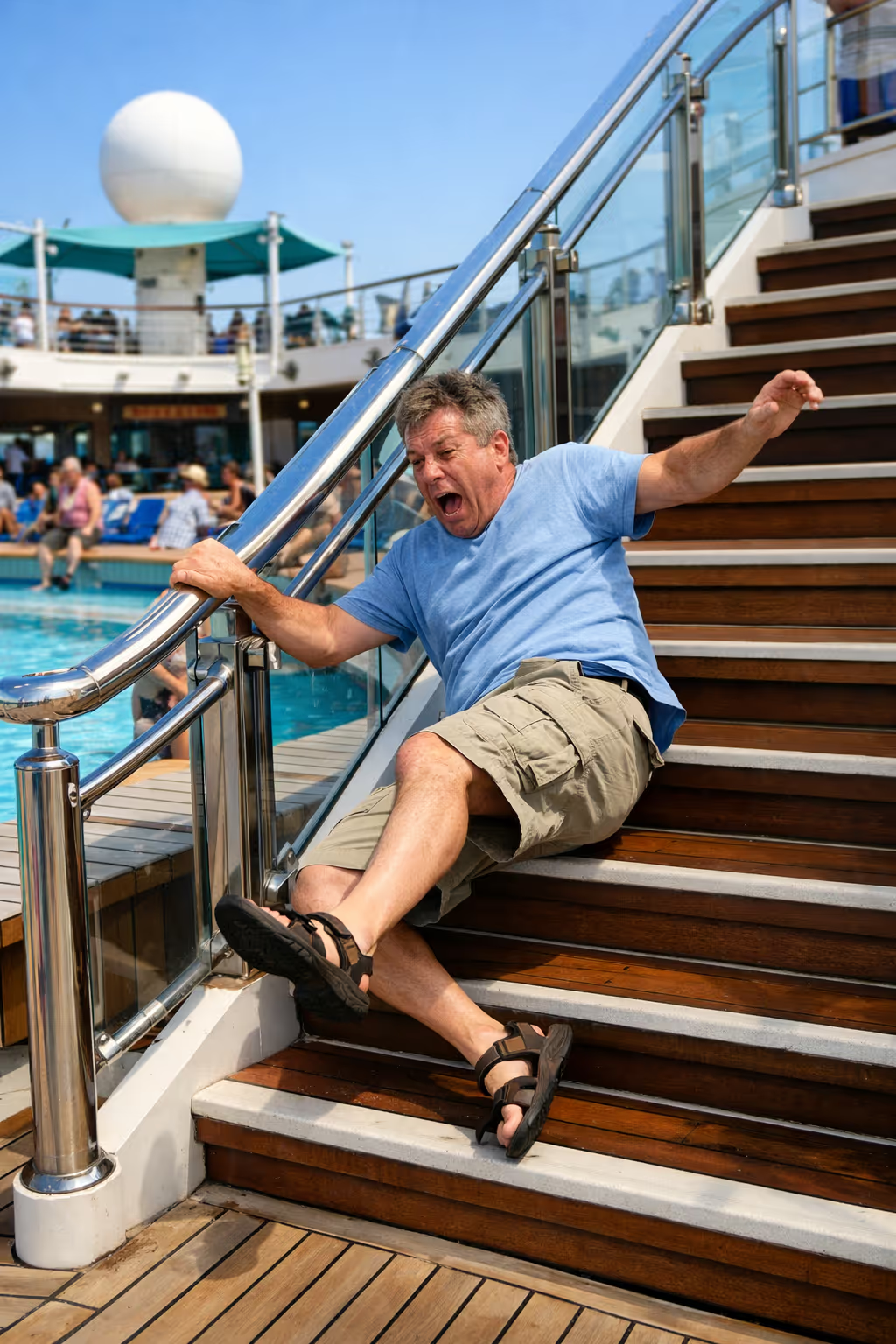
Grandeur of the Seas is a Vision Class Royal Caribbean cruise ship known for traditional layout, public passenger spaces, and multiple deck walking areas.
Passenger injuries may occur in stairways, walkways, and deck areas throughout the vessel.
Common incidents include slip and fall accidents, stairway injuries, and hazards related to ship safety procedures not being followed.
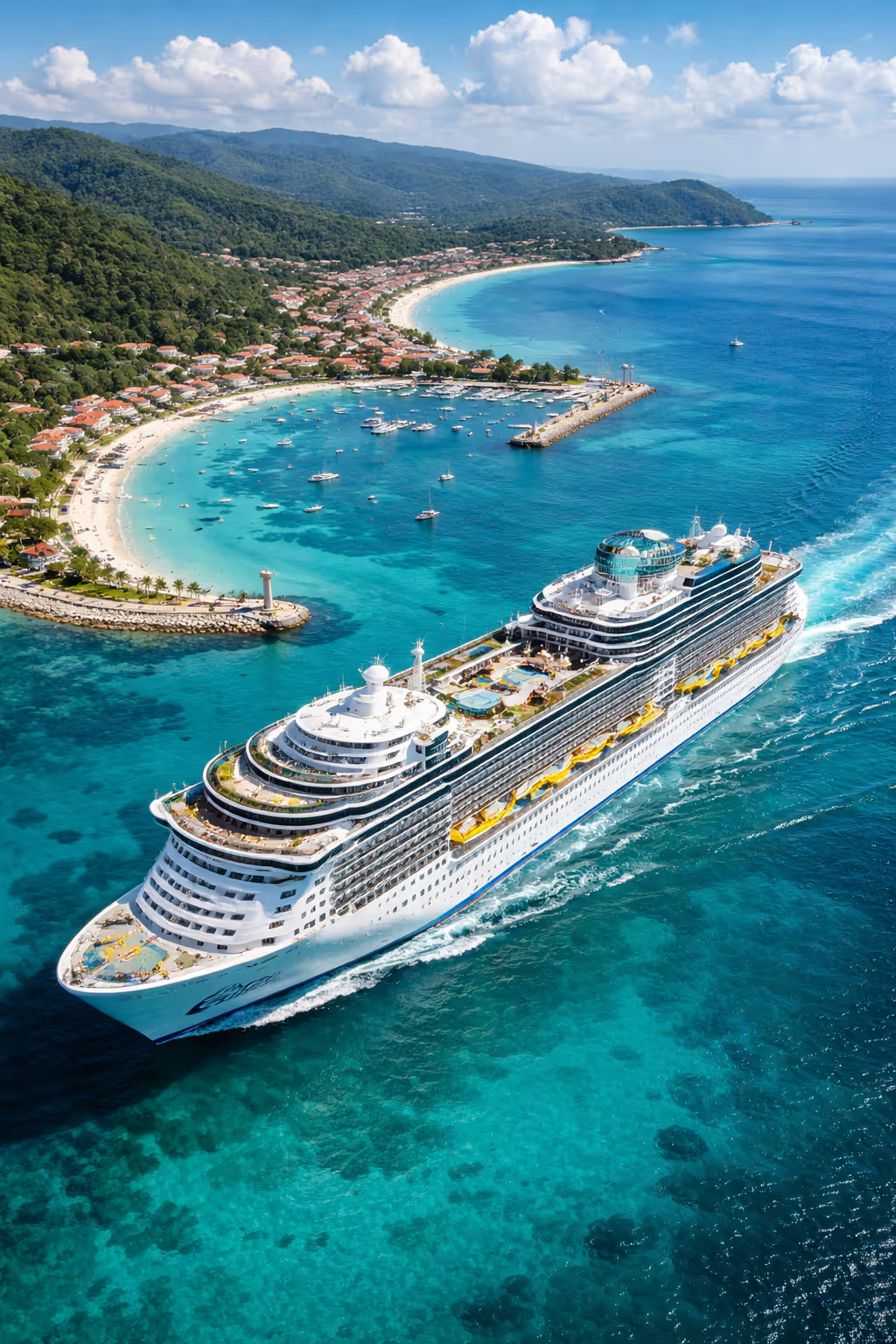
Liberty of the Seas is a Freedom-class vessel with a strong Western Caribbean itinerary presence. Shore excursion routes on Western Caribbean sailings often involve third-party operators in jurisdictions with different liability frameworks, an added layer of legal complexity that attorneys unfamiliar with cruise liability structures may not anticipate.
Western Caribbean shore excursion injuries involve a layer of international liability analysis that maritime-inexperienced attorneys frequently underestimate.
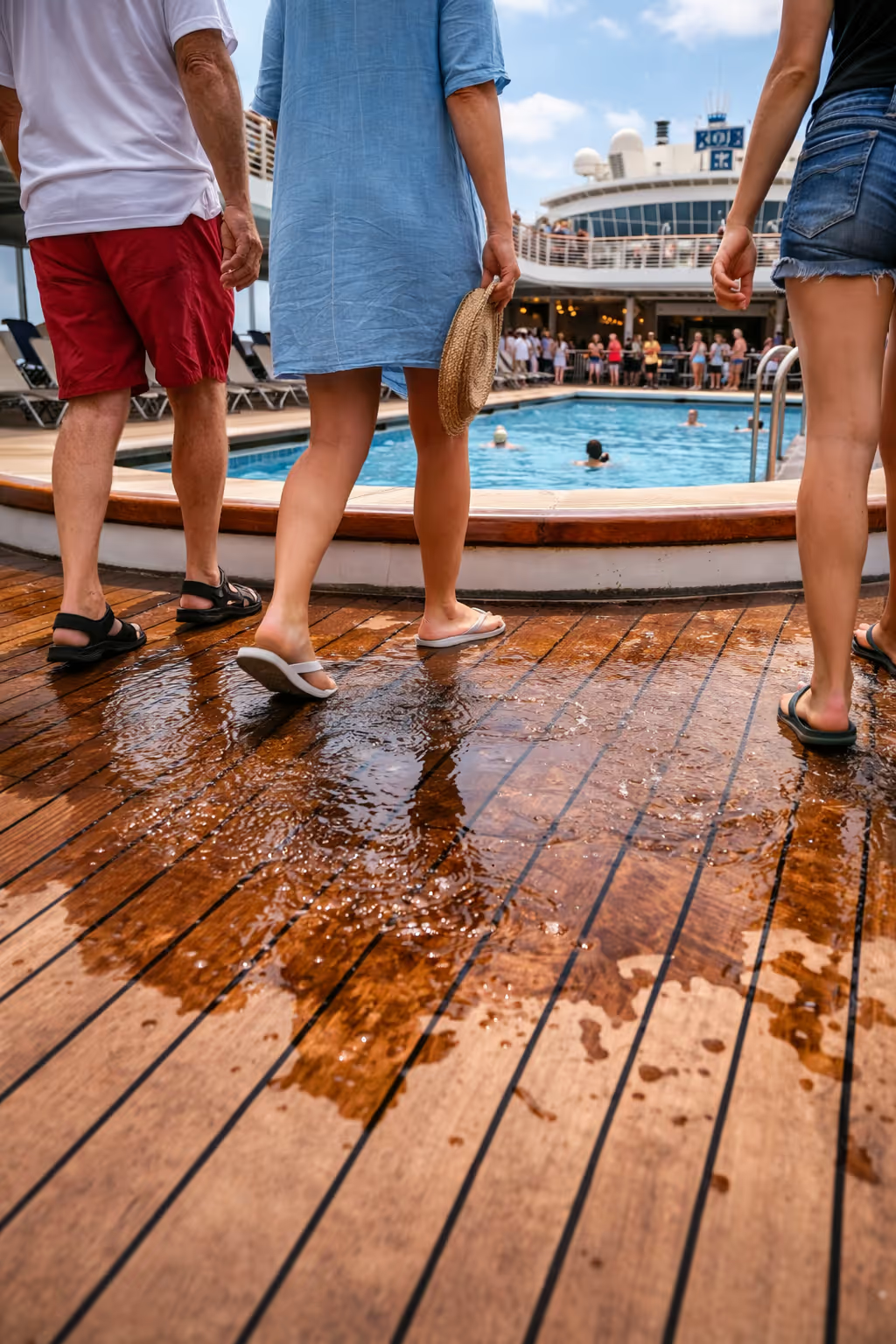
Enchantment of the Seas is a Vision Class Royal Caribbean cruise ship known for multiple passenger decks, public gathering spaces, and traditional cruise ship design.
Passenger injuries may occur in walkways, deck areas, and stairways where high traffic is common.
Common incidents include slip and fall accidents, environmental hazards, and injuries related to onboard conditions.
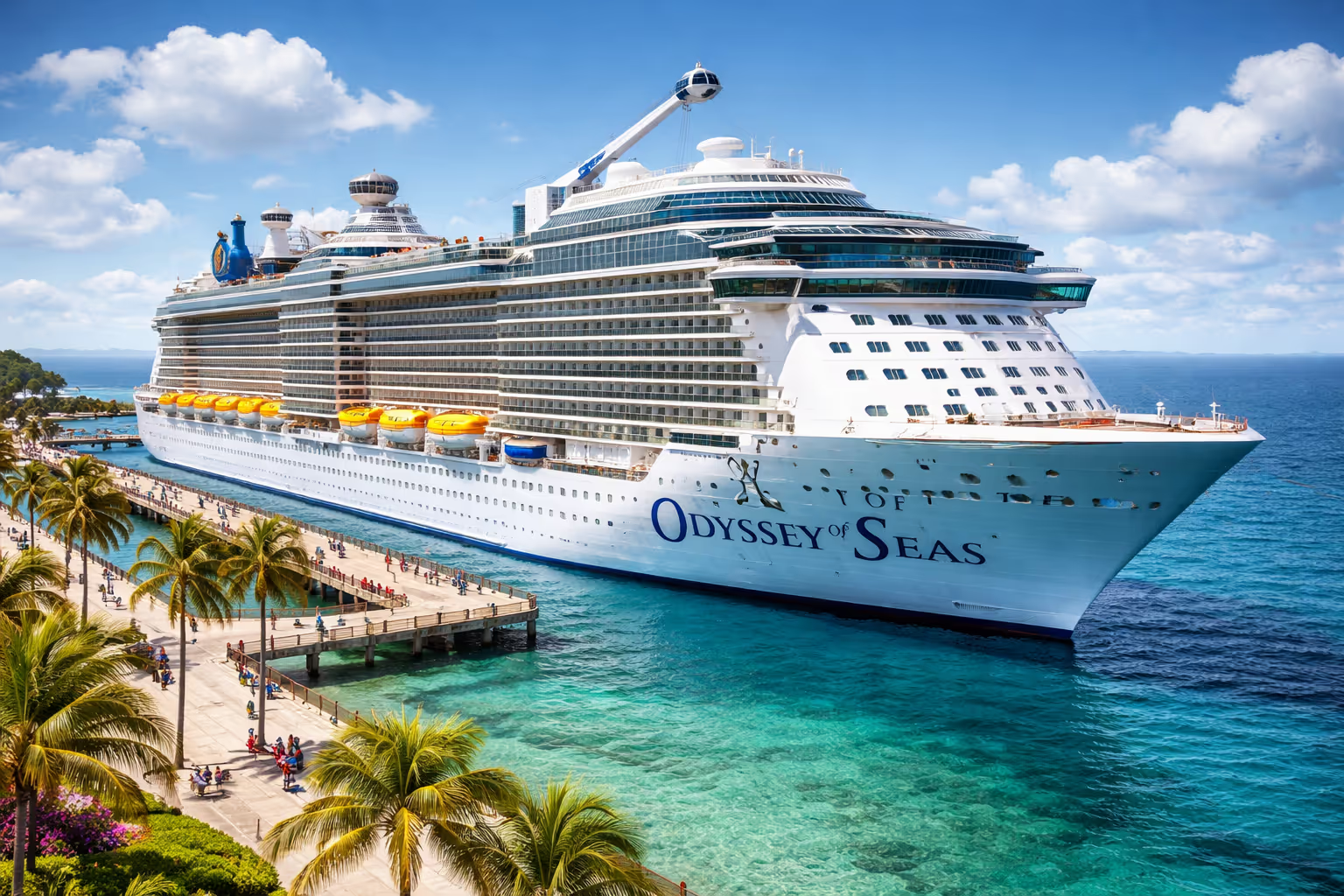
Odyssey of the Seas is a Quantum Ultra Class Royal Caribbean cruise ship known for its modern attractions, entertainment spaces, and large passenger activity areas.
Passenger injuries on Odyssey of the Seas may occur in activity zones, enclosed recreational areas, walkways, and other high-traffic parts of the ship.
Common incidents include recreational injuries, slip and fall accidents, and hazards related to passenger movement, onboard attractions, and crowded environments.
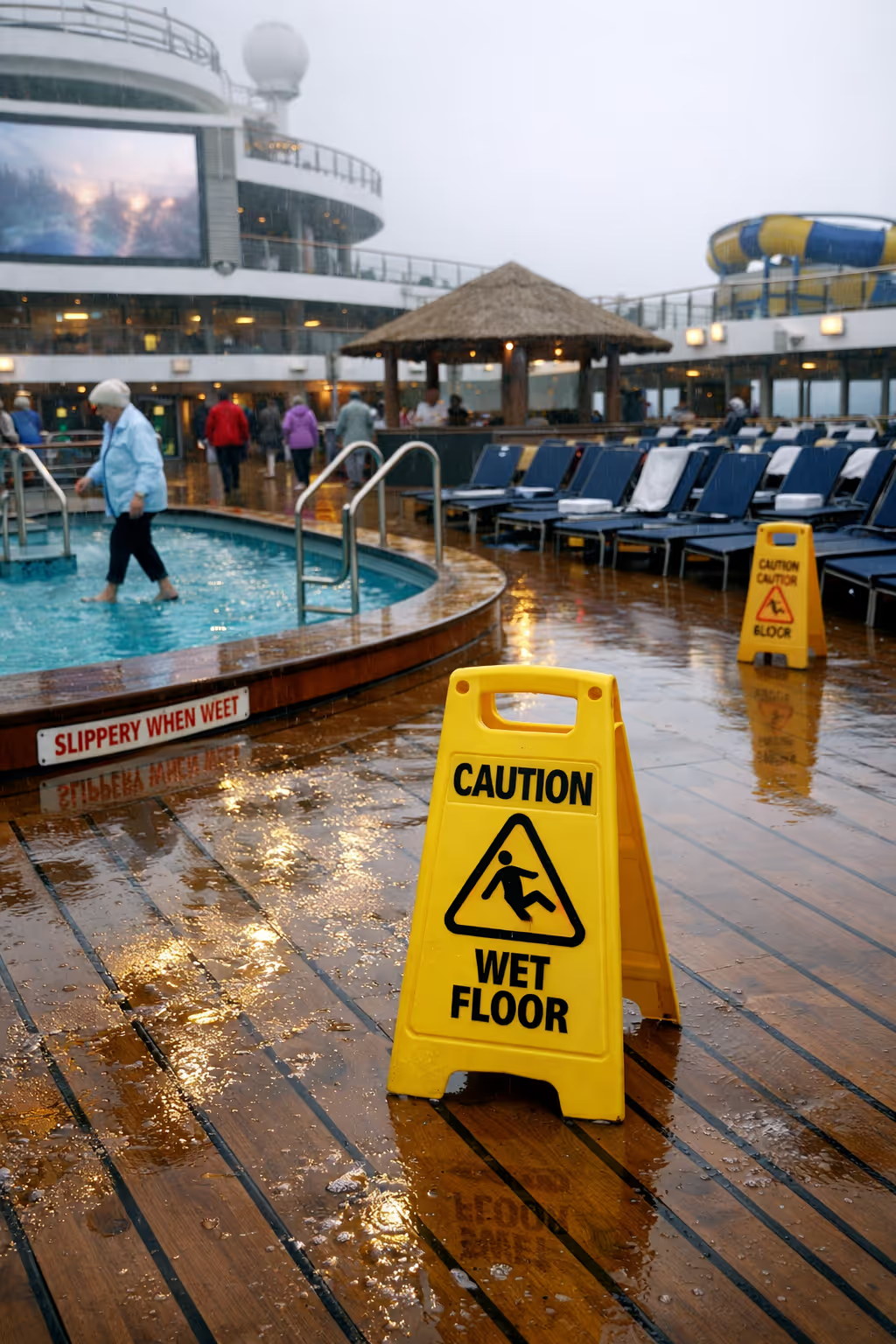
Navigator of the Seas operates shorter Caribbean itineraries from Port of Los Angeles and Miami, which means a diverse passenger base from across the country. Regardless of where an injured passenger lives, their lawsuit must be filed in the Southern District of Florida; a procedural reality that catches many out-of-state attorneys off guard.
Living outside Florida does not change where your RCCL lawsuit is filed. It changes which attorneys have the right home-court knowledge.

Anthem of the Seas is a Royal Caribbean cruise ship where passenger injuries may occur, particularly in high-traffic onboard areas such as entertainment venues, stairways, and enclosed activity zones. As a Quantum Class vessel, it includes advanced attractions and technology-driven passenger environments.
Passenger injuries on Anthem of the Seas may occur in activity areas, indoor venues, walkways, and other heavily trafficked locations throughout the vessel.
Common incidents include slip and fall accidents, activity-related injuries, stairway accidents, and hazards associated with crowded environments and onboard attractions.
These conditions may contribute to incidents that form the basis of maritime injury claims under applicable law.
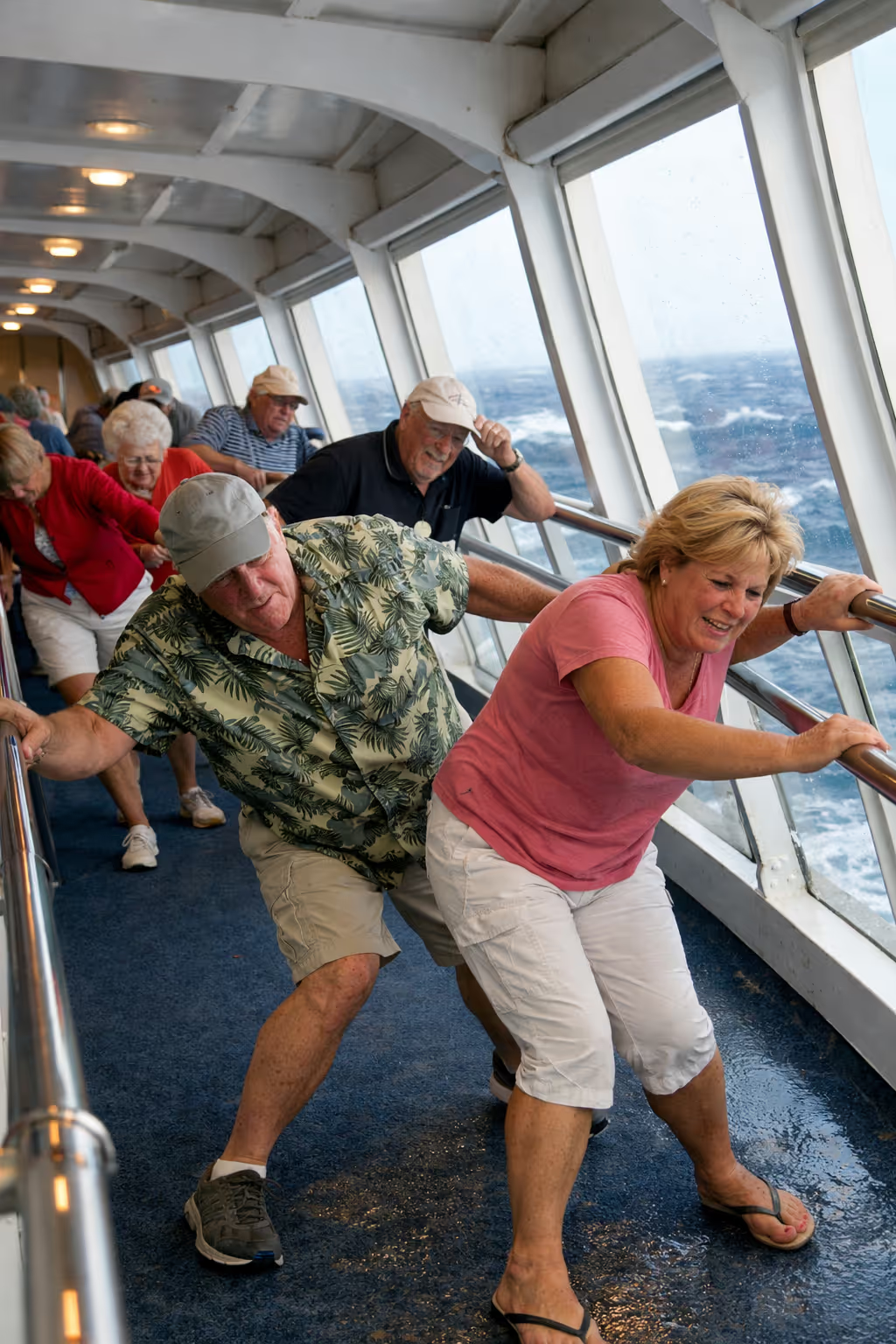
Explorer of the Seas is a Royal Caribbean cruise ship where passenger injuries may occur, particularly in high-traffic onboard areas such as corridors, stairways, and public decks. As a Voyager Class vessel, it features dining venues, entertainment areas, and frequently used passenger walkways.
Passenger injuries on Explorer of the Seas may occur in stairways, corridors, deck areas, and other high-traffic spaces throughout the vessel.
Common incidents include slip and fall accidents, walkway hazards, stairway accidents, and injuries associated with crowded onboard conditions.
These conditions may contribute to incidents that form the basis of maritime injury claims under applicable law.
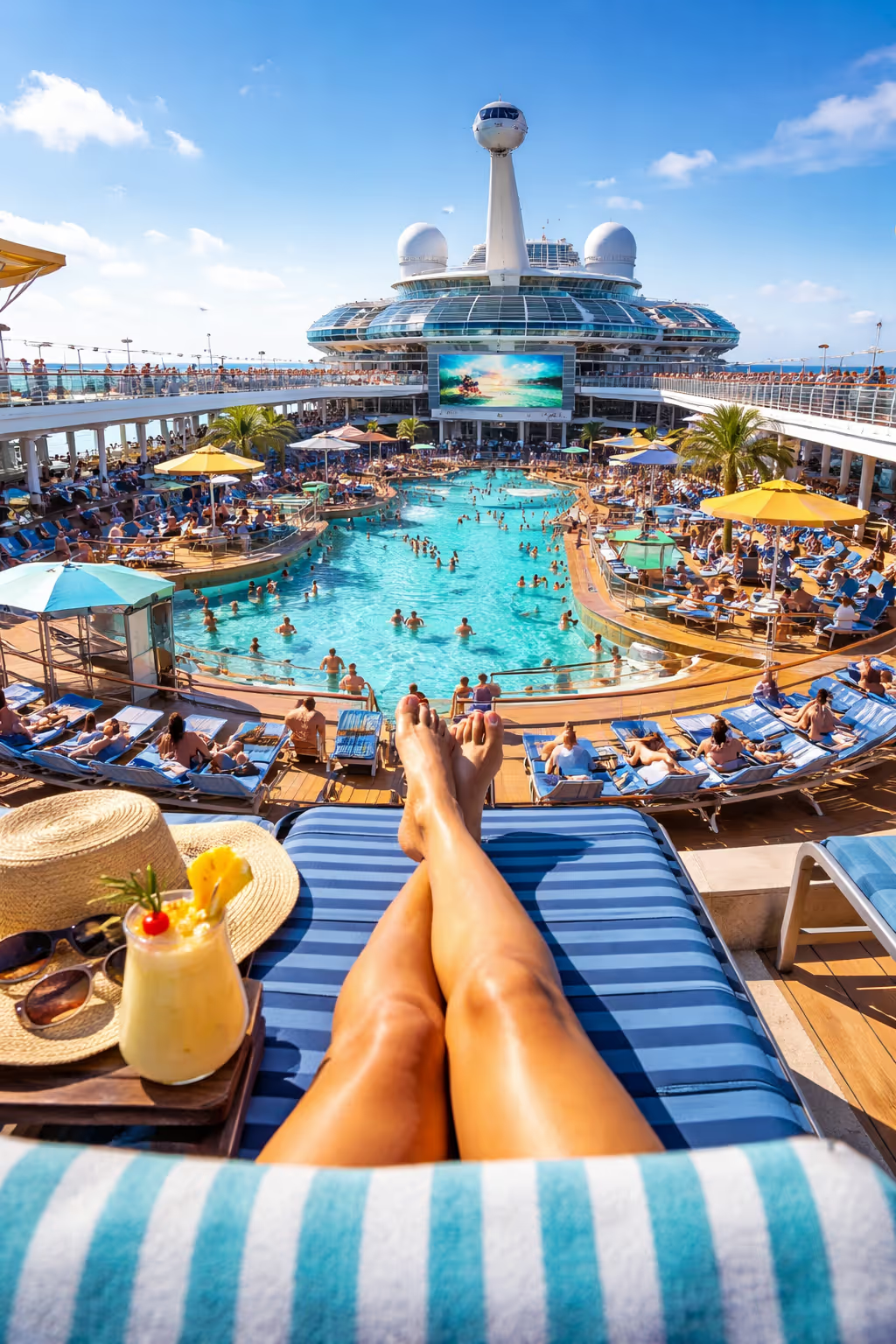
Mariner of the Seas is a Royal Caribbean cruise ship where passenger injuries may occur, particularly in high-traffic onboard areas such as recreational zones, pool decks, and public walkways. As a Voyager Class vessel, it includes large passenger spaces and active entertainment areas.
Passenger injuries on Mariner of the Seas may occur in activity zones, walkways, deck areas, and other crowded parts of the ship.
Common incidents include slip and fall accidents, recreational activity injuries, stairway accidents, and hazards associated with wet surfaces and passenger movement.
These conditions may contribute to incidents that form the basis of maritime injury claims under applicable law.
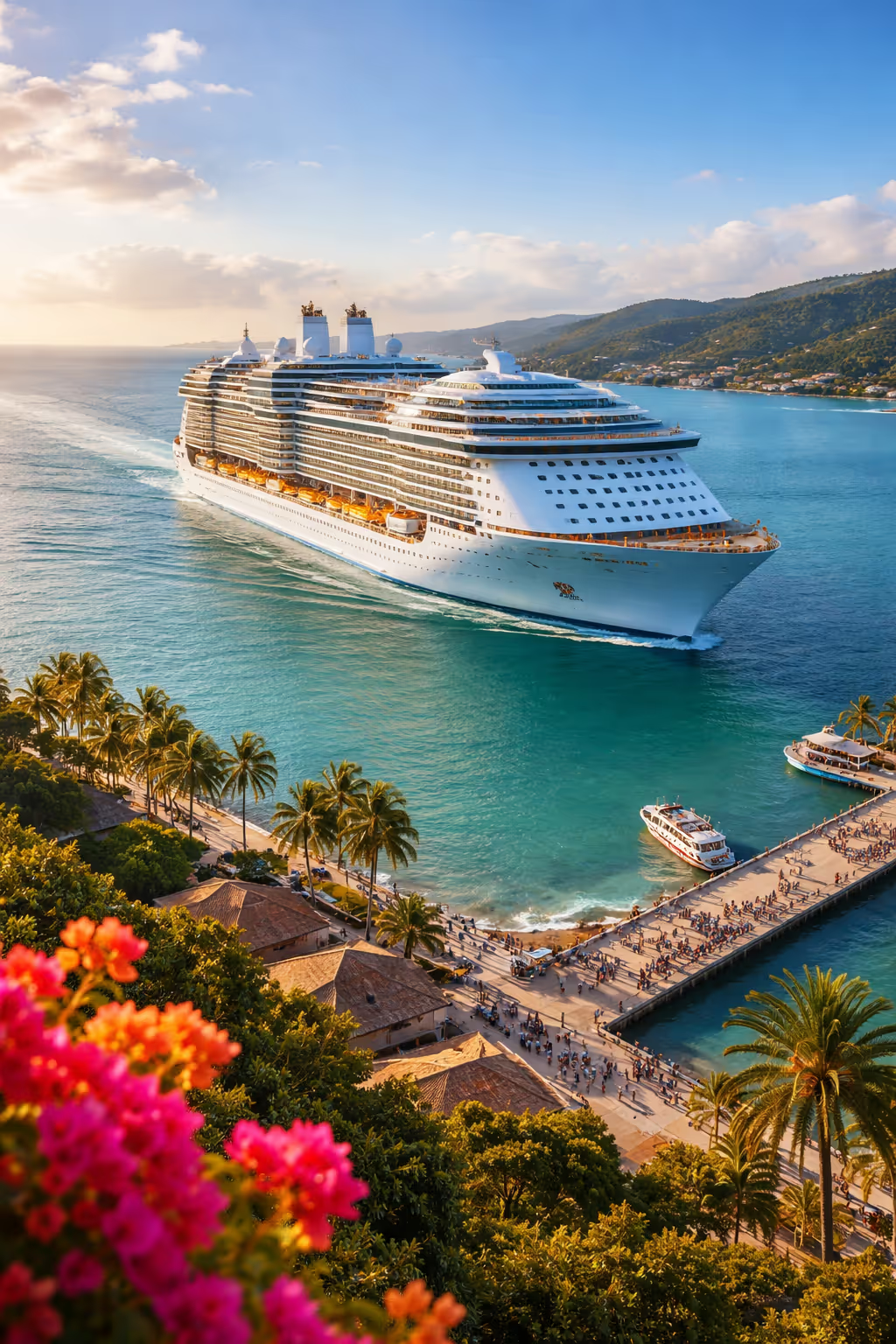
Vision of the Seas is a Vision Class Royal Caribbean cruise ship known for its smaller layout, public deck spaces, and traditional cruise design.
Passenger injuries may occur in stairways, walkways, and open deck areas where space is more limited and surfaces may become hazardous.
Common incidents include slip and fall accidents, stairway injuries, and hazards related to ship movement and surface conditions.

Ovation of the Seas is a Royal Caribbean cruise ship where passenger injuries may occur, particularly in high-traffic onboard areas such as enclosed activity zones, pool decks, and walkways. As a Quantum Class vessel, it features indoor attractions and multi-level passenger spaces.
Passenger injuries on Ovation of the Seas may occur in activity zones, enclosed recreational areas, walkways, and other busy areas throughout the ship.
Common incidents include slip and fall accidents, recreational activity injuries, stairway accidents, and hazards related to passenger movement and wet surfaces.
These conditions may contribute to incidents that form the basis of maritime injury claims under applicable law.
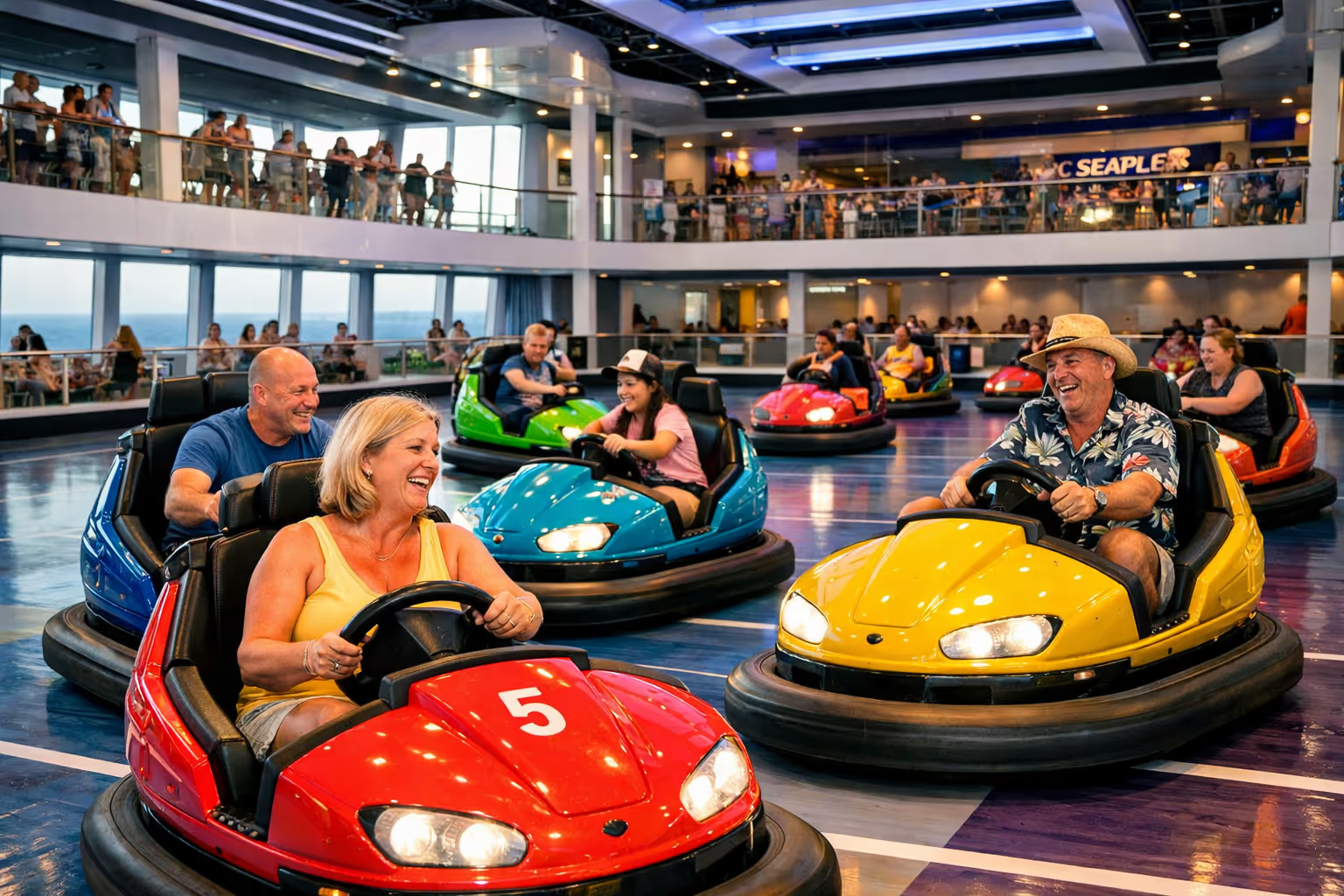
Spectrum of the Seas is a Royal Caribbean cruise ship where passenger injuries may occur, particularly in high-traffic onboard areas such as entertainment venues, enclosed activity zones, and public walkways. As a Quantum Ultra Class vessel, it features large-scale attractions and dense passenger environments.
Passenger injuries on Spectrum of the Seas may occur in activity zones, walkways, entertainment areas, and other heavily trafficked parts of the vessel.
Common incidents include slip and fall accidents, recreational activity injuries, stairway accidents, and hazards associated with crowded onboard environments.
These conditions may contribute to incidents that form the basis of maritime injury claims under applicable law.

Voyager of the Seas is a Royal Caribbean cruise ship where passenger injuries may occur, particularly in high-traffic onboard areas such as entertainment zones, deck areas, and public walkways. As a Voyager Class vessel, it includes multiple recreational and gathering spaces.
Passenger injuries on Voyager of the Seas may occur in entertainment areas, deck spaces, walkways, and other busy parts of the ship.
Common incidents include slip and fall accidents, recreational activity injuries, stairway accidents, and hazards associated with crowded environments.
These conditions may contribute to incidents that form the basis of maritime injury claims under applicable law.

Independence of the Seas is a Freedom Class cruise ship featuring multiple decks, recreational attractions, and large passenger capacity.
Passenger injuries on Independence of the Seas may occur in pool areas, stairways, and activity zones.
Common incidents include slip and fall accidents, recreational injuries, and hazards involving wet surfaces and crowded spaces.
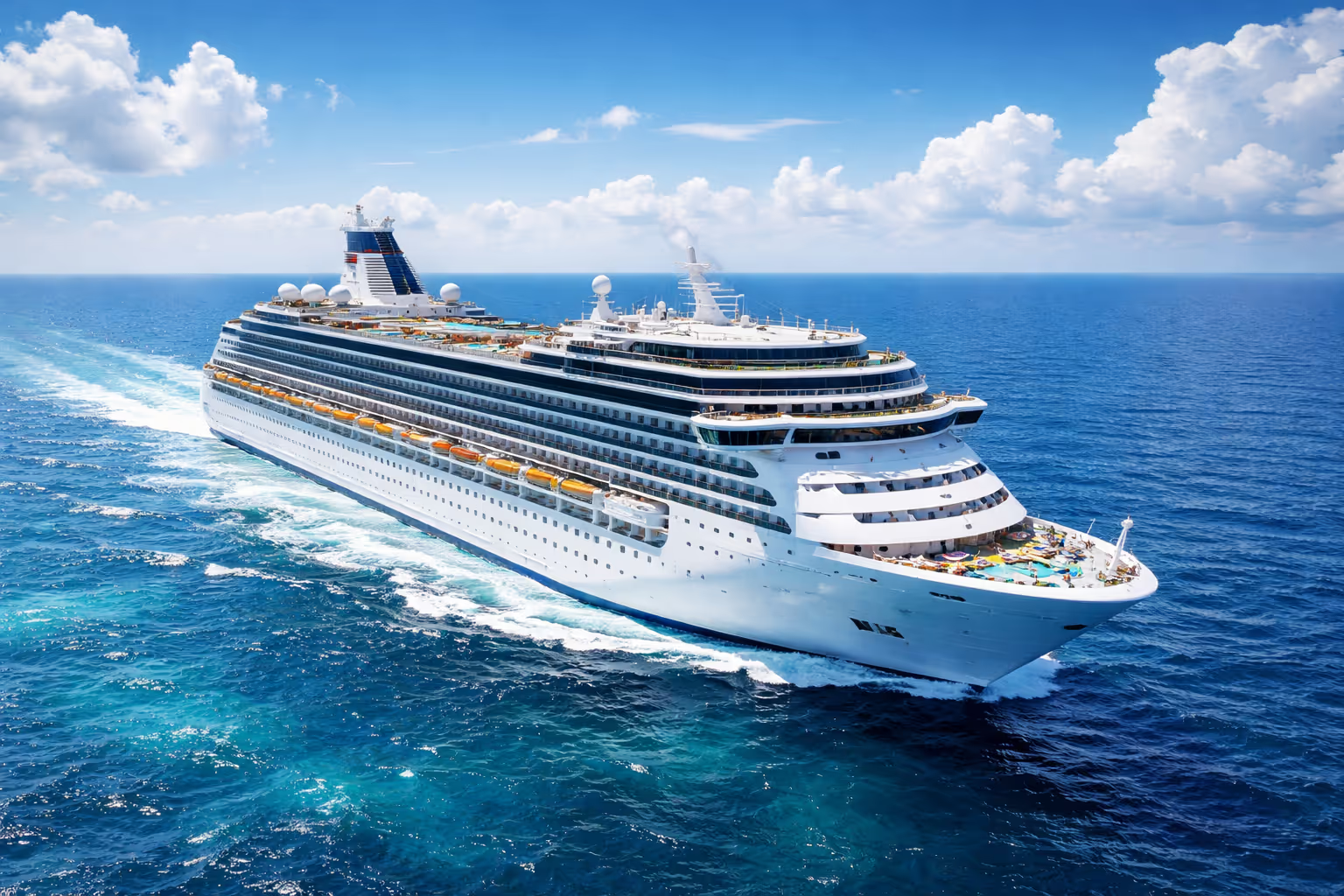
Operating in the Bahamas and Caribbean, Adventure of the Seas routes frequently include stops at Royal Caribbean's private destination, Perfect Day at CocoCay. Injuries at CocoCay raise a specific set of liability questions about private island operations, territory where most general personal injury attorneys have no direct experience.
CocoCay injury cases are not standard maritime claims — they involve private island liability questions that require attorneys who know the specific legal landscape.
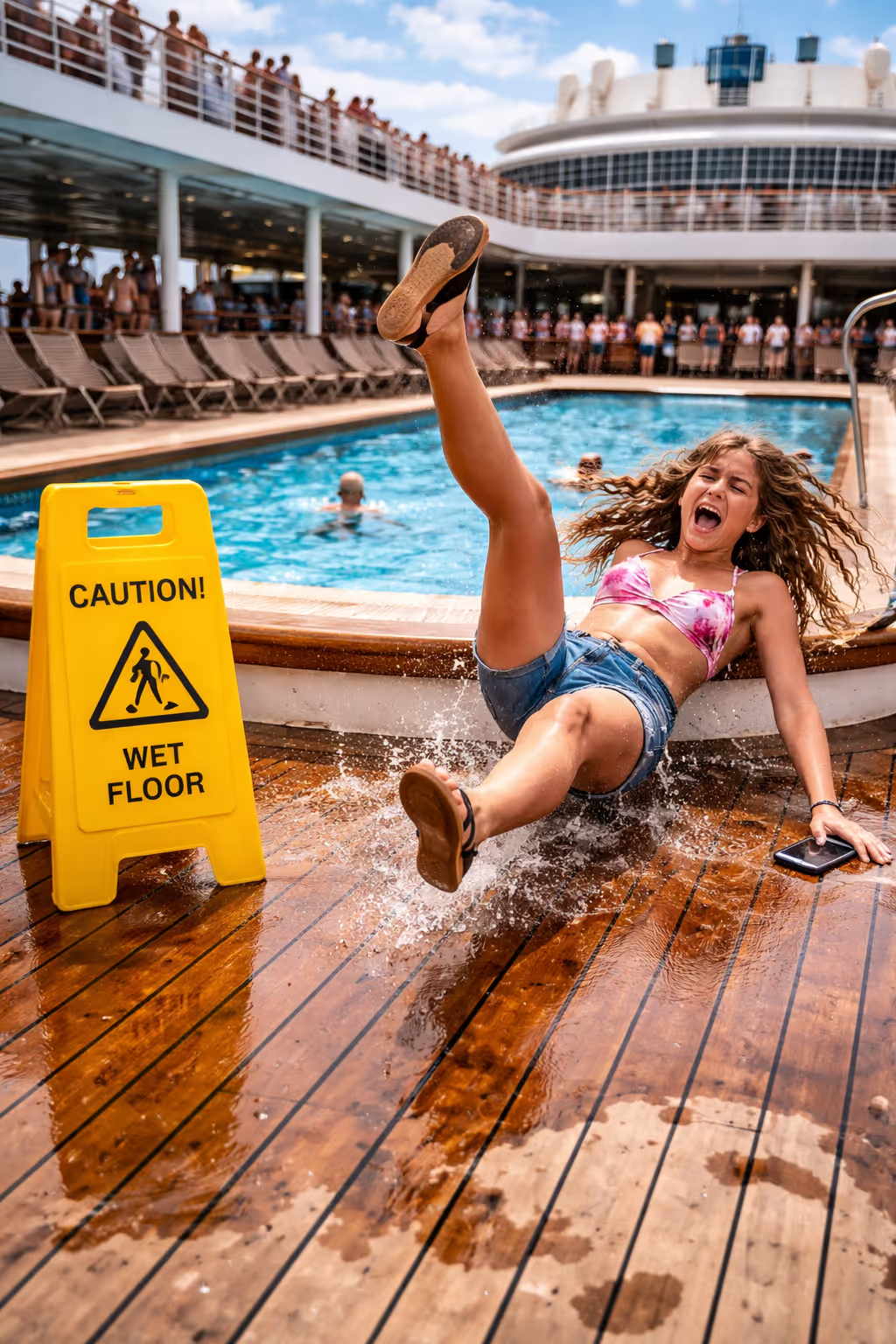
Serenade of the Seas is a Royal Caribbean cruise ship where passenger injuries may occur, particularly in high-traffic onboard areas such as open deck spaces, stairways, and walkways. As a Radiance Class vessel, it includes outdoor environments and frequently used passenger areas.
Passenger injuries on Serenade of the Seas may occur due to wet surfaces, stairways, deck conditions, and other onboard walking areas.
Common incidents include slip and fall accidents, stairway injuries, environmental hazards, and injuries associated with passenger movement and ship conditions.
These conditions may contribute to incidents that form the basis of maritime injury claims under applicable law.
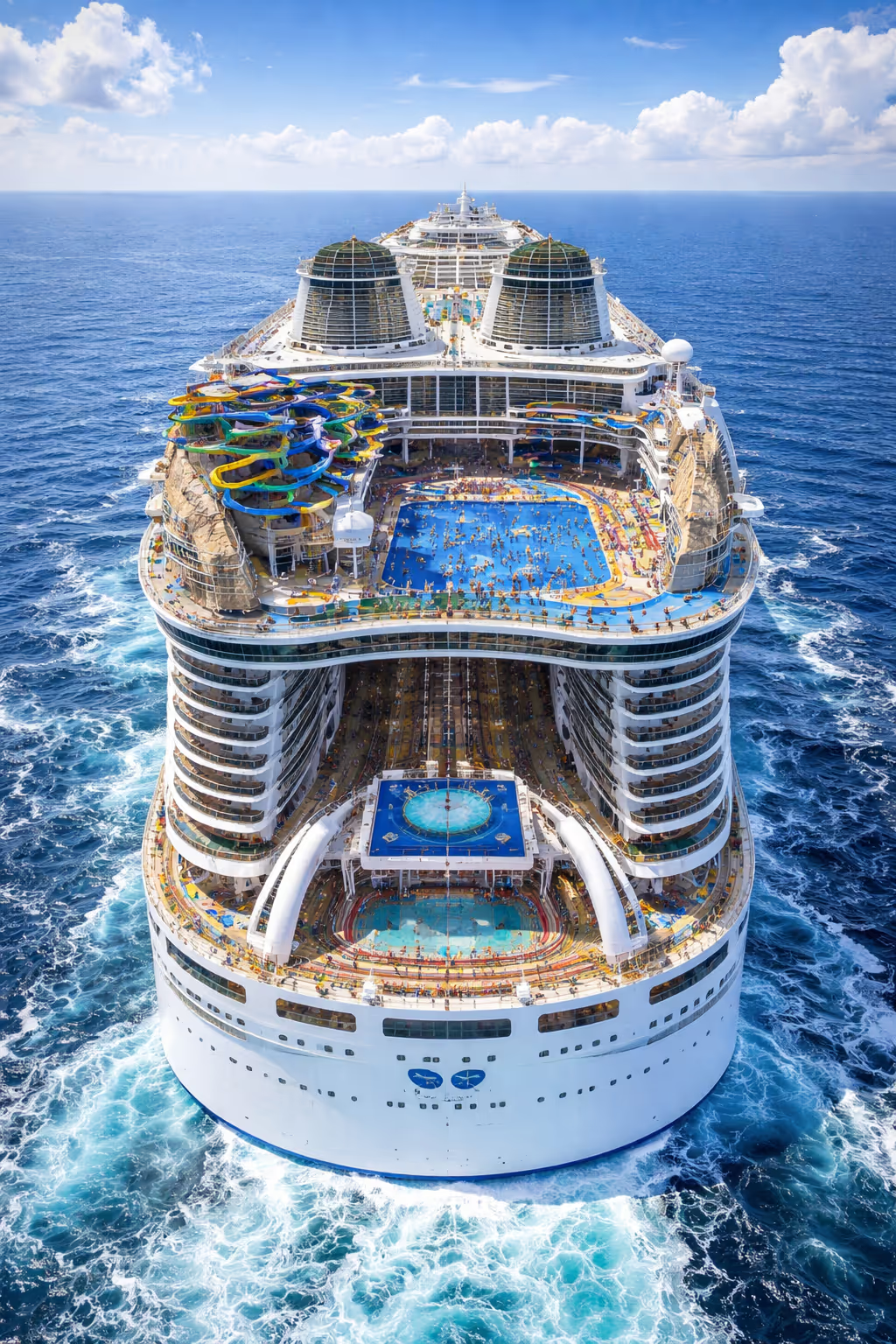
Allure of the Seas operates Caribbean routes and shares the Oasis-class layout that includes the FlowRider, multiple waterslide attractions, and an extensive open-deck footprint. Slip-and-fall incidents on pool decks and outdoor spaces are among the most common injury categories on vessels of this class, and also among the most dependent on rapid evidence preservation.
Pool deck injuries on Allure require fast action on evidence, surveillance footage in particular has a documented retention window that experienced attorneys know how to address immediately.

Quantum of the Seas is a Royal Caribbean cruise ship where passenger injuries may occur, particularly in high-traffic onboard areas such as pool decks, stairways, and recreational zones. As a Quantum Class vessel, it features advanced onboard attractions, enclosed activity spaces, and high-density passenger areas.
Passenger injuries on Quantum of the Seas may occur in activity zones, indoor entertainment areas, walkways, and other high-traffic parts of the ship.
Common incidents include slip and fall accidents, recreational activity injuries, stairway accidents, and hazards associated with wet surfaces and crowded environments.
These conditions may contribute to incidents that form the basis of maritime injury claims under applicable law.

Rhapsody of the Seas is a Royal Caribbean cruise ship where passenger injuries may occur, particularly in high-traffic onboard areas such as walkways, dining venues, and stairways. As a Vision Class vessel, it features smaller layouts and more confined public spaces.
Passenger injuries on Rhapsody of the Seas may occur in walkways, dining areas, stairways, and other high-traffic areas where space is more limited.
Common incidents include slip and fall accidents, stairway injuries, environmental hazards, and risks associated with ship movement and confined spaces.
These conditions may contribute to incidents that form the basis of maritime injury claims under applicable law.
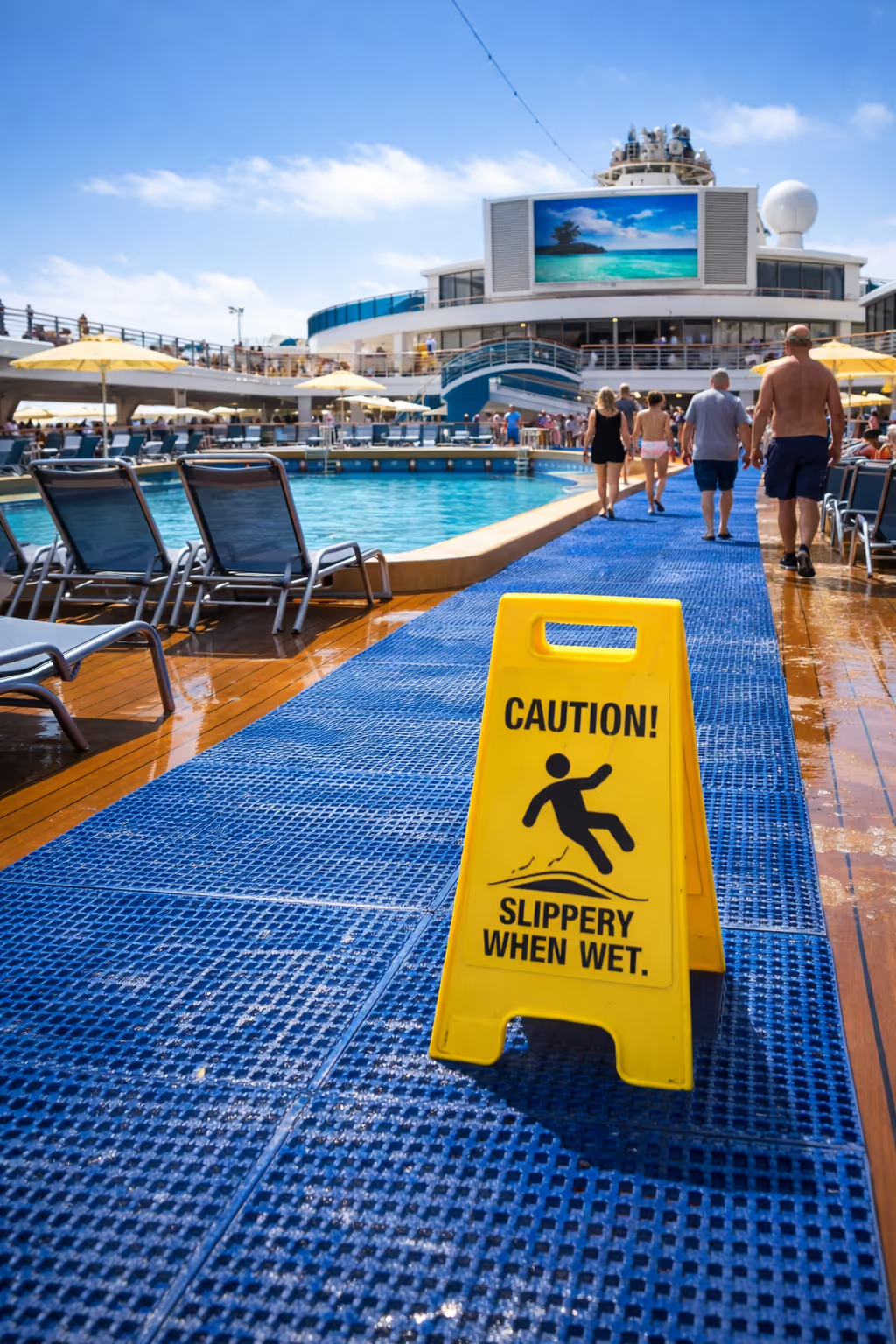
Brilliance of the Seas is a Royal Caribbean cruise ship where passenger injuries may occur, particularly in high-traffic onboard areas such as outdoor decks, walkways, and public gathering spaces. As a Radiance Class vessel, it features open-air areas and passenger movement zones.
Passenger injuries on Brilliance of the Seas may occur in deck areas, walkways, and other high-traffic parts of the ship.
Common incidents include slip and fall accidents, environmental hazards, stairway accidents, and injuries associated with wet surfaces and ship movement.
These conditions may contribute to incidents that form the basis of maritime injury claims under applicable law.
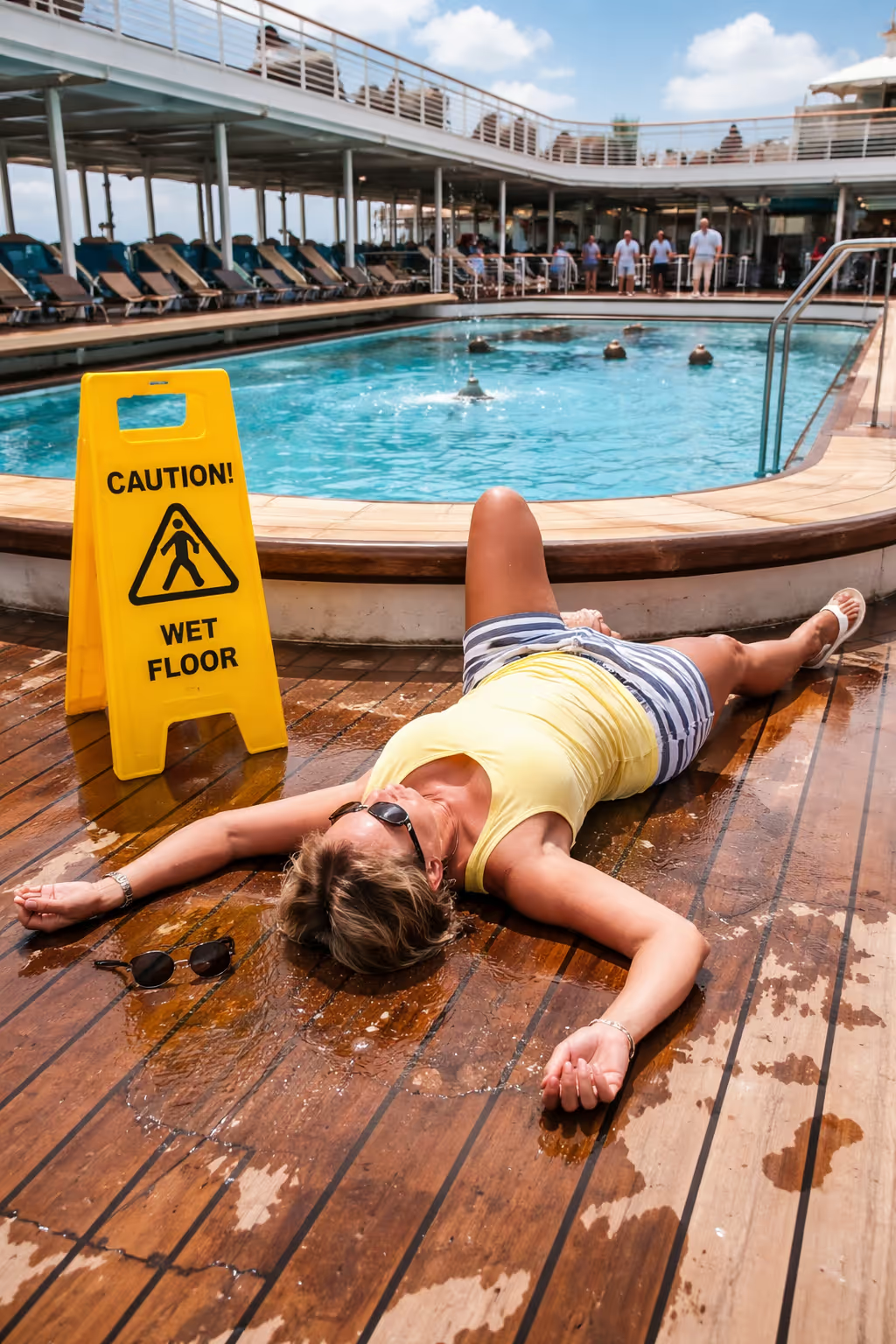
Radiance of the Seas is a Royal Caribbean cruise ship where passenger injuries may occur, particularly in high-traffic onboard areas such as walkways, dining venues, and outdoor decks. As a Radiance Class vessel, it features open deck layouts and glass-enclosed public spaces.
Passenger injuries on Radiance of the Seas may occur in walkways, dining areas, outdoor decks, and other commonly used spaces throughout the vessel.
Common incidents include slip and fall accidents, environmental hazards, stairway accidents, and injuries related to wet surfaces and ship movement.
These conditions may contribute to incidents that form the basis of maritime injury claims under applicable law.
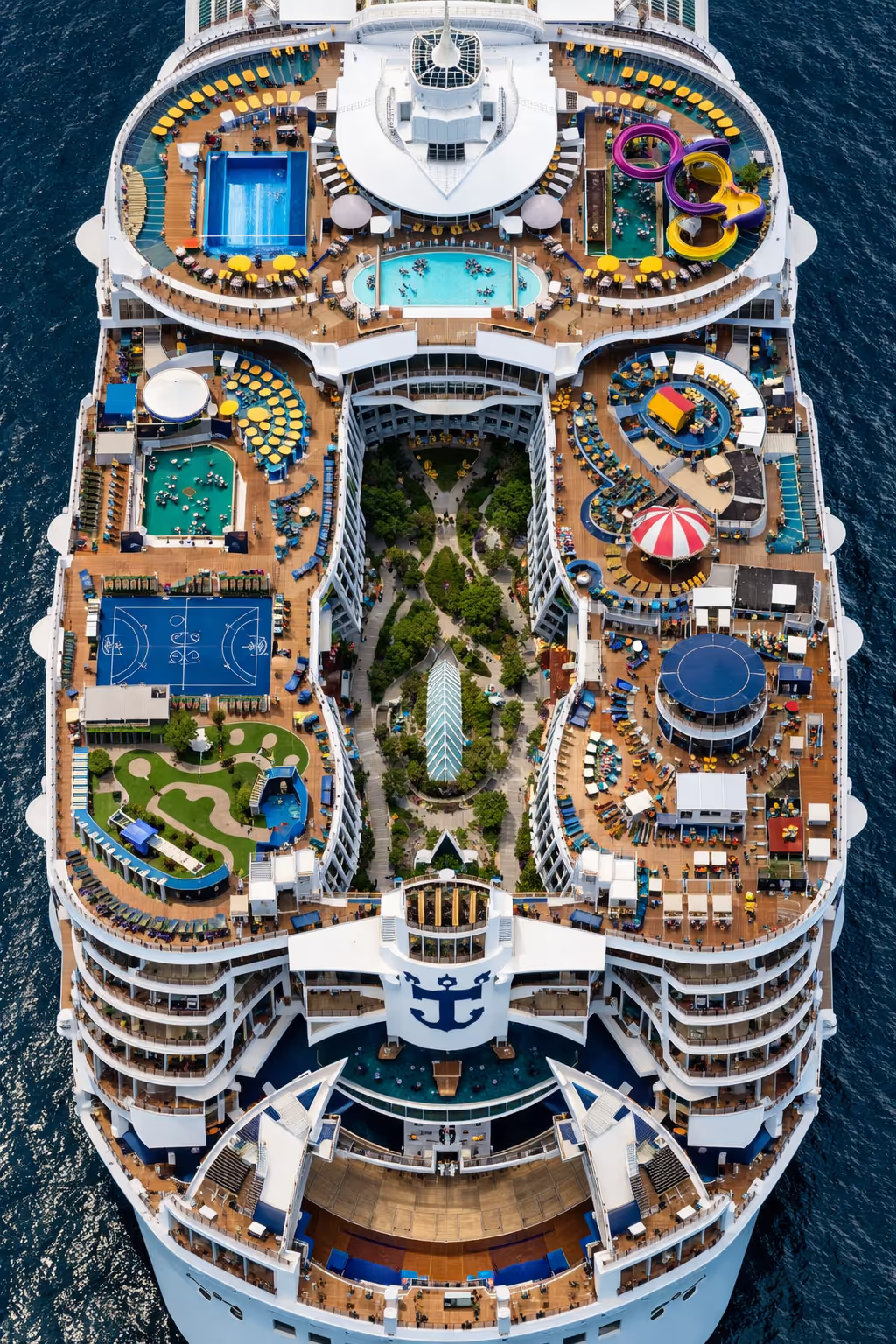
One of the largest cruise ships ever built, Wonder of the Seas operates Caribbean and Mediterranean itineraries carrying thousands of passengers across eight neighborhoods. Shore excursion routes vary significantly by region, and so do the liability questions when injuries occur off the ship during cruise-sold excursions.
Excursion related injuries on Wonder of the Seas raise third-party liability questions that require attorneys with specific maritime experience to navigate.
We collect basic information to connect you with maritime attorneys who specifically handle RCCL injury claims. This is intake for matching purposes, not a case evaluation.
Tell Us What HappenedIn most cases, yes. Passenger injury claims on cruise ships are typically governed by federal maritime law and the passenger ticket contract.
Yes you can. These claims are typically governed by the passenger ticket contract, which may limit where and how a lawsuit is filed.
Many Royal Caribbean passenger contracts require lawsuits to be filed in federal court in Florida, although the specific terms of the ticket contract will control.
Cruise tickets often require written notice within six months and lawsuits within one year, though this can vary depending on the contract.
Potential liability may depend on the relationship between the cruise line and the excursion operator, as well as the specific facts of the incident.
Waivers may apply in some situations, but they do not always prevent claims, particularly if negligence or unsafe conditions were involved.
Maritime law generally governs incidents occurring at sea, including those in international waters.
Unfortunately the answer is yes, no matter where you live in the United States. The cruise ticket contract is almost universally enforced.
If you are injured on a Royal Caribbean cruise ship, taking the right steps immediately after the incident can be important for both your health and any potential claim.
Passengers are often advised to:
• Report the incident to ship personnel and request a written report
• Seek medical treatment onboard or at the next port
• Document the accident scene with photos or video
• Collect names of witnesses and crew members
• Keep records of medical care and expenses
• Avoid signing documents without understanding their implications
Cruise ship injury claims are subject to strict contractual requirements, so early documentation can be critical.
Royal Caribbean cruise ship injury claims can arise from a wide range of onboard and excursion-related incidents. Certain types of accidents occur more frequently due to ship design, passenger activity levels, and onboard attractions.
• Pool deck slip and fall accidents
• FlowRider surf simulator injuries
• Cruise ship waterslide accidents
• Buffet and dining area slip hazards
• Stairway and deck fall injuries
• Shore excursion accidents
• Tender boat and embarkation injuries
• Royal Caribbean slip and fall accidents
• Onboard medical negligence
Typical RCCL incidents include:
Wet pool decks, buffet areas, stairwells, uneven flooring, and poorly maintained walking surfaces may lead to serious injuries.
Injuries during excursions—such as snorkeling, zip-lining, bus tours, or boating activities—can involve third-party operators and complex liability questions.
Cruise ship infirmaries provide medical services at sea. Claims may arise from delayed diagnosis, improper treatment, or medication errors.
Learn More About Shipboard Medical Negligence
Cruise lines have obligations related to passenger safety and reasonable security measures.
Embarkation and disembarkation accidents are a frequent source of injury claims.
Cruise sponsored activites, rock climbing walls, water slides, and other onboard attractions can present additional risk factors.
Game Shows can be some of the most dangerous activities on the vessel. Typical RCCL games include:
Love & Marriage, Battle of the Sexes, Majority Rules, Friendly Feud, and the adults-only always-wild scavenger hunt — Crazy Quest
Royal Caribbean’s FlowRider surf simulator is one of the most popular, and potentially dangerous attractions onboard. The ride creates a high-pressure sheet wave over a padded surface, which can lead to serious injuries when passengers lose balance or are thrown from the ride.
Common FlowRider injuries include:
• Wrist fractures and broken arms
• Shoulder dislocations
• Head and neck injuries
• Back injuries from high-impact falls
Although passengers are often required to sign waivers, these waivers may not always prevent legal claims, particularly if negligence, improper supervision, or unsafe conditions contributed to the accident.
In some cases, passengers injured on a Royal Caribbean cruise may pursue a lawsuit under federal maritime law. These claims are typically governed by the terms of the passenger ticket contract and applicable federal legal standards.
Royal Caribbean injury lawsuits often involve:
• Slip and fall accidents on pool decks or stairways
• FlowRider and onboard attraction injuries
• Shore excursion accidents involving third-party operators
• Medical negligence by onboard healthcare providers
• Security incidents or inadequate supervision
Because cruise ship injury lawsuits are subject to unique procedural requirements, they are often handled differently than traditional personal injury cases.
If you were injured on a Royal Caribbean cruise ship, you may be able to pursue a claim under federal maritime law. Unlike typical personal injury cases, cruise ship claims are governed by passenger ticket contracts and maritime legal principles.
In many situations, injured passengers ask:
• Can I sue Royal Caribbean for a cruise ship injury?
• Where must a lawsuit be filed?
• What deadlines apply to my claim?
Royal Caribbean passenger contracts often require:
• Written notice of a claim within six months
• Filing a lawsuit within one year
• Filing in a specific federal court, often in Florida
Because of these unique requirements, cruise ship injury claims are very different from standard land-based cases.
Determining liability in a Royal Caribbean injury claim can be complex. Depending on the circumstances, responsibility may involve multiple parties.
Potentially liable parties may include:
• Royal Caribbean for unsafe conditions or negligent maintenance
• Crew members responsible for supervision or safety procedures
• Third-party excursion operators
• Onboard medical staff
In many cases, liability depends on the degree of control the cruise line had over the activity or condition that caused the injury.
Where the incident connected to the cruise occurs matters.
If you would like a Free Review of your Cruise Passenger Injury claim: Click Here
Royal Caribbean is one of the largest cruise operators in the world, and injury claims involving the company are governed by a combination of federal maritime law, international considerations, and contractual provisions.
These cases often involve:
• Maritime negligence standards
• Federal court jurisdiction requirements
• Cruise line liability limitations
• Third-party excursion operator relationships
• Evidence controlled by the cruise line
Because of these factors, Royal Caribbean injury claims are often more complex than standard personal injury cases.
Cruise ship injury claims are subject to strict contractual deadlines that are very different from typical personal injury cases.
Royal Caribbean passenger ticket contracts often require:
• Written notice of your injury claim within six months
• Filing a lawsuit within one year
• Filing the case in a designated federal court
Failing to meet these deadlines may result in losing your right to pursue a claim entirely.
Because these time limits can be strictly enforced, understanding your rights early is critical.
Passengers injured on a Royal Caribbean cruise may have certain rights under federal maritime law and the cruise ticket contract.
These rights may include:
• The ability to pursue a negligence claim
• Access to medical treatment and documentation
• The right to file a lawsuit within specified deadlines
• The ability to seek compensation for certain losses
Understanding these rights often depends on the specific facts of the incident.
If you are researching a Royal Caribbean injury claim, you may also find these guides helpful:
• FlowRider Cruise Ship Injury Guide
• Cruise Ship Slip and Fall Accidents
• Cruise Ship Waterslide Injuries
• Cruise Ship Excursion Injury Claims
• Cruise Ship Medical Negligence
• Where Cruise Ship Accidents Happen
A cruise ship injury can be overwhelming. Medical treatment often occurs at sea or in foreign ports. Evidence may be controlled by the cruise line. Ticket contracts frequently contain shortened deadlines and forum selection clauses.
Royal Caribbean injury claims are typically governed by federal maritime law.
These cases often involve:
• Contractual notice requirements (sometimes as short as six months)
• Mandatory federal court filing locations
• Limitations written into passenger ticket agreements
• International waters jurisdiction issues
• Complex liability questions involving shipboard staff or third-party excursion operators
Understanding these differences early can matter.
Royal Caribbean is one of the largest cruise operators in the world. Passenger injury claims are generally controlled by the terms of the cruise ticket contract and maritime law principles developed through federal court decisions.
Unlike a typical land-based accident claim, cruise ship cases may require:
• Analysis of maritime negligence standards
• Preservation of onboard incident reports
• Review of surveillance footage
• Investigation of maintenance procedures
• Evaluation of shore excursion operator relationships
Because these cases are specialized, injured passengers often seek attorneys experienced specifically in cruise ship and maritime injury litigation.
These Royal Caribbean cruise ship profiles help explain where passenger injuries may occur across Oasis Class, Icon Class, Quantum Class, Freedom Class, Voyager Class, Radiance Class, and Vision Class vessels.
If you were injured on a Royal Caribbean cruise, you may have important legal rights under maritime law. Understanding where and how to file your claim is often the first step.
We help connect injured cruise passengers with experienced maritime attorneys who handle Royal Caribbean injury claims.
Start your free case review today.
Being injured on a cruise is a traumatic experience. Injuries on a cruise usually occur in international waters, and finding the right attorney when you are injuried is no easy task. Let us take the guesswork out of finding the right attorney.

Cruise ships contain numerous environments where passengers gather for recreation, dining, and entertainment. Certain areas onboard tend to experience higher levels of passenger activity and therefore may present a greater likelihood of accidents occurring.
Common locations where cruise ship accidents may occur include:
• pool decks and hot tub areas
• stairways connecting passenger decks
• buffet restaurants and dining areas
• water slides and recreational attractions
• spas and locker rooms
• passenger cabin bathrooms
• balcony areas and railings
• tender boat boarding areas
• excursion departure docks
Wet surfaces, ship movement, and heavy passenger traffic may contribute to accidents in these environments.
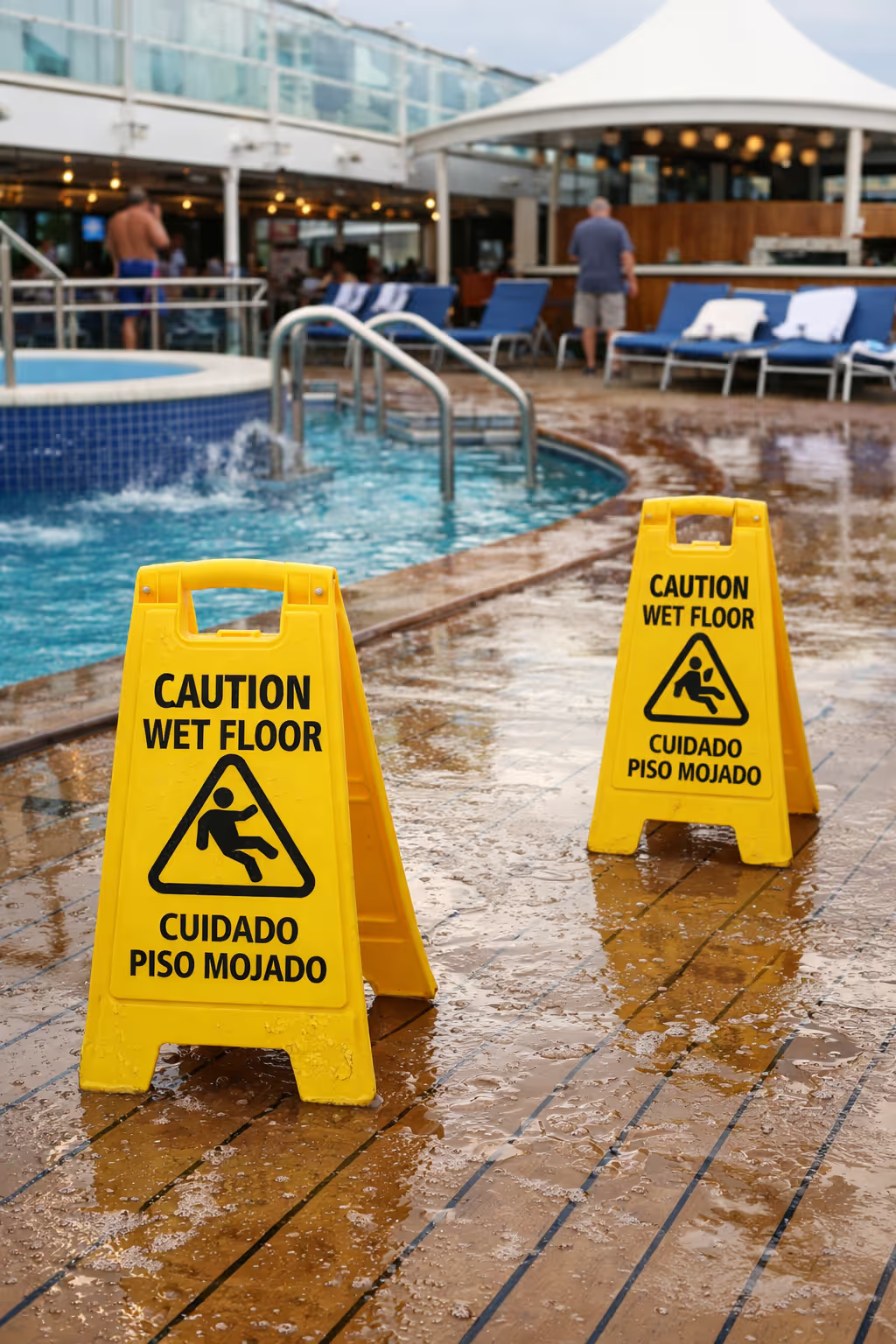
Certain areas of cruise ships present a higher risk for passenger injuries. Learn about the most common places where cruise ship accidents occur, including pool decks, stairways, buffet areas, and other onboard hazard locations.
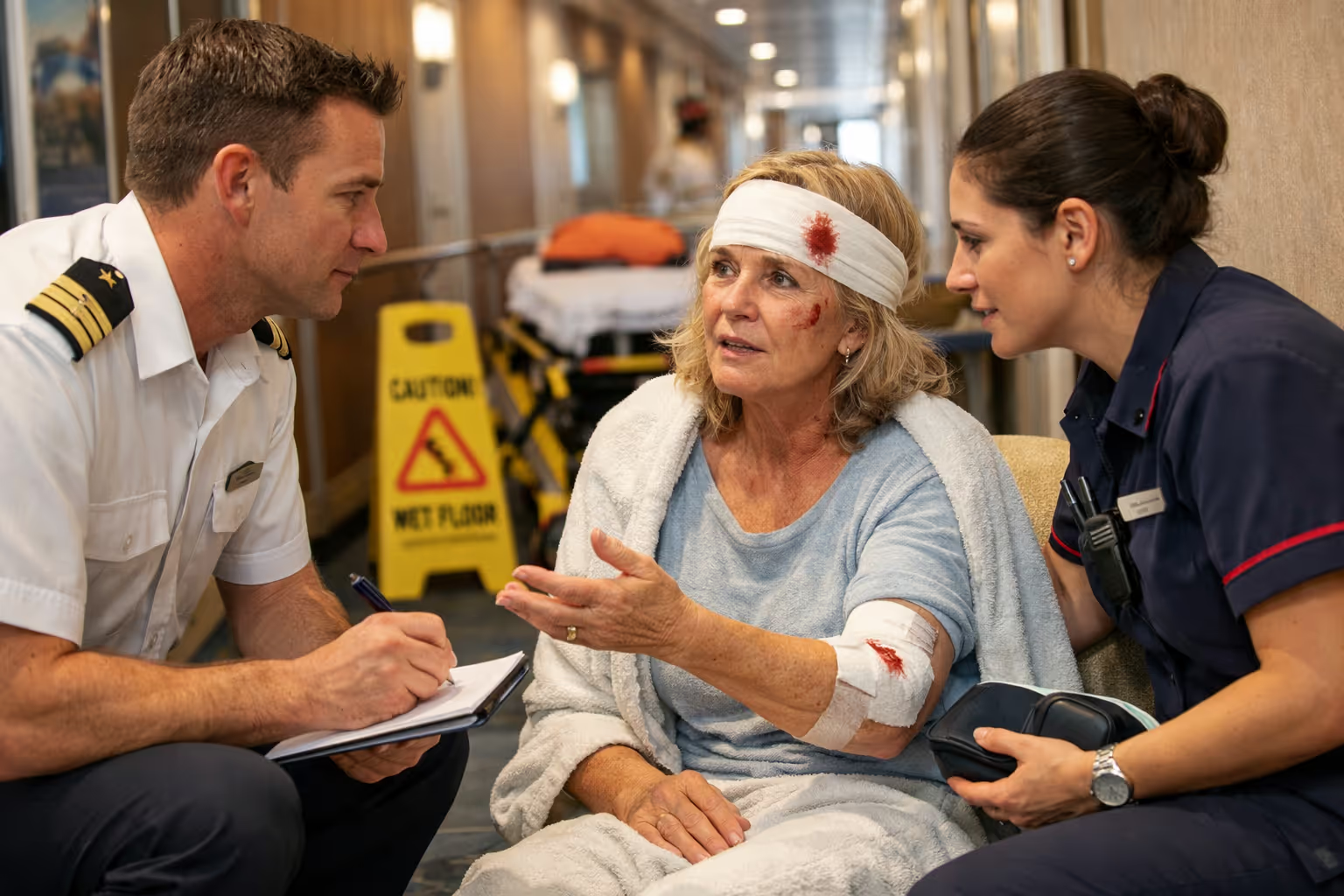
A cruise ship injury can be confusing and overwhelming. Learn the important steps passengers should consider after an onboard accident, including reporting the incident, documenting hazards, seeking medical care, and understanding your options after a cruise ship injury.
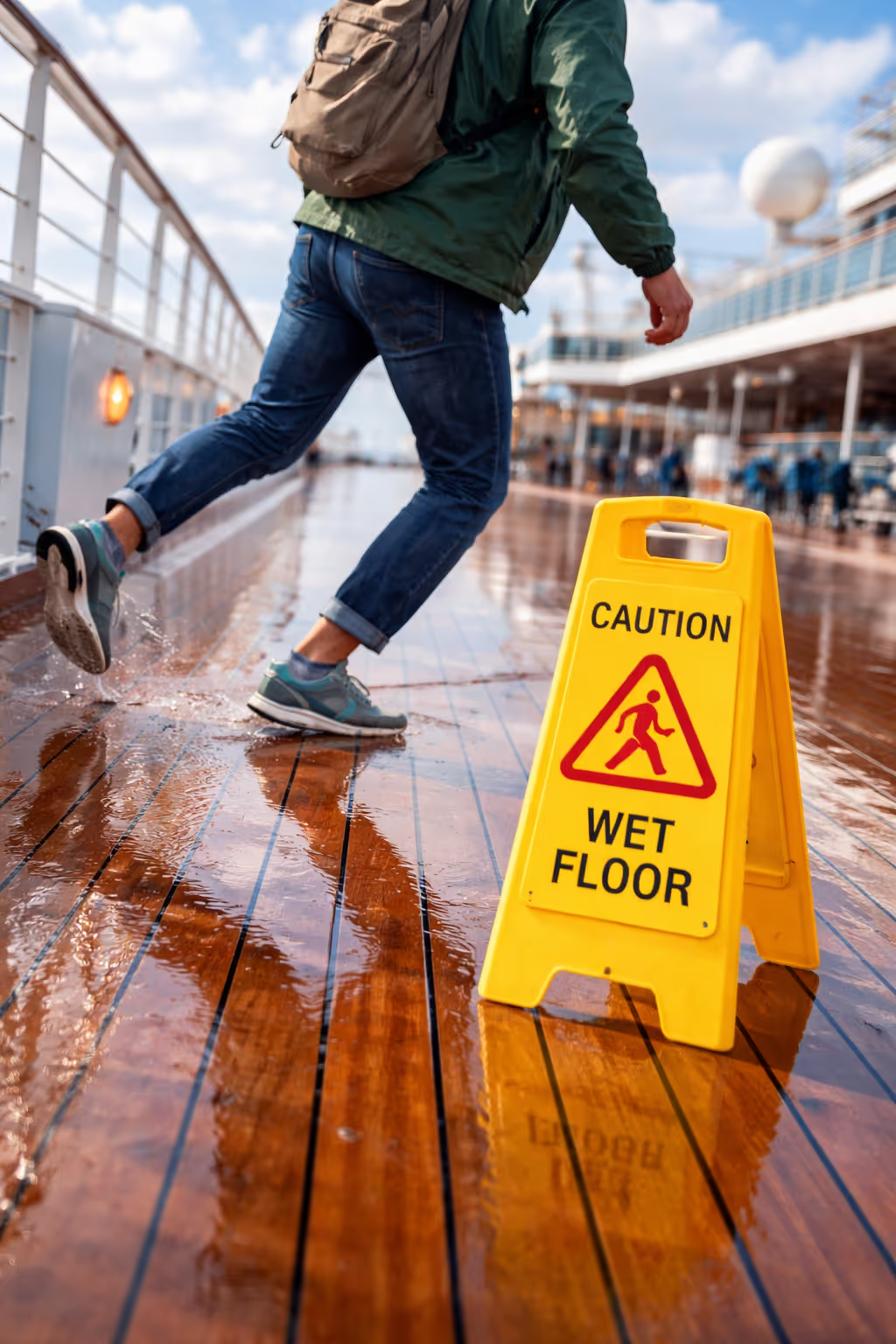
Slip and fall accidents are one of the most common causes of cruise passenger injuries. Wet pool decks, buffet areas, stairways, and outdoor walkways can all create dangerous conditions for passengers aboard cruise ships.