Cruise ships are engineered for comfort, entertainment, and unforgettable experiences; but certain areas onboard consistently present a higher risk of passenger injury. From wet pool decks and crowded buffet walkways to high speed waterslides and excursion boarding zones, accidents often occur in predictable locations.
Understanding where cruise ship injuries happen most frequently can help passengers stay aware, avoid preventable hazards, and make safer decisions while onboard.
Below is a ranked breakdown of the most dangerous areas on a cruise ship, based on real-world incident patterns, passenger behavior, and known risk conditions across modern vessels.
Pool decks are consistently the most dangerous area on a cruise ship, and one of the leading causes of slip and fall injuries at sea.
Between constant water exposure, heavy foot traffic, and ongoing food and beverage service, these areas create the perfect conditions for accidents.
• Wet surfaces from pools, hot tubs, and ocean spray create constant slip hazards
• Spilled drinks and food increase the likelihood of slick walking areas
• Bare feet and sandals reduce traction on smooth deck surfaces
• Lounge chair congestion forces passengers into narrow walking paths
• High traffic around bars and towel stations leads to frequent crowding
Passengers are especially vulnerable near pool entrances, bar areas, and heavily trafficked lounge zones where hazards can develop quickly.
Injuries can occur due to:
• Constant water exposure creates slippery walking surfaces
• Drinks, food, and foot traffic increase spill hazards
• Passengers often walk barefoot or in low-traction footwear
• Lounge chair congestion limits safe walking paths
Slip and fall accidents frequently occur near:
• Pool entrances and exits
• Hot tubs
• Bar service areas
• Towel stations
Stairways are one of the most common locations for serious cruise ship injuries, particularly during periods of ship movement or congestion.
Unlike standard land based staircases, cruise ship stairs are subject to motion, vibration, and changing passenger balance.
• Sudden ship movement can cause unexpected loss of balance
• Narrow stair design and steep angles increase fall risk
• Polished or worn steps may become slippery over time
• Passengers often carry drinks, bags, or luggage while navigating stairs
• Handrails are frequently underutilized in high traffic areas
Falls on stairways often result in more severe injuries, including fractures, head trauma, and back injuries.
Modern cruise ships feature large scale water parks and high speed waterslides, but these attractions introduce unique injury risks that many passengers underestimate.
• High speed descent can lead to forceful impact at slide exits
• Improper spacing between riders increases collision risk
• Inconsistent water flow may cause abrupt stops or friction burns
• Riders may enter slides before the previous rider has cleared
• Limited supervision or dispatch timing errors can increase risk exposure
These incidents are particularly common on family focused ships where children and teenagers frequently use these attractions.
If you were injured on a cruise ship, you may wish to explore your options with a law firm experienced in maritime injury cases.
Request a Free Case ReviewFlowRider surf simulators are among the most injury prone attractions onboard due to the combination of high pressure water and hard underlying surfaces.
• High-pressure wave force can cause sudden and forceful falls
• Riders often lose balance unexpectedly, especially beginners
• Hard surfaces beneath the water increase impact severity
• Attempting advanced maneuvers significantly increases injury risk
• Limited experience or instruction can lead to improper use
Common injuries include shoulder dislocations, wrist fractures, and head impacts; especially when passengers underestimate the force of the wave.
Buffet areas are one of the most overlooked injury zones on a cruise ship, despite consistently high accident potential.
• Spilled food and beverages create hidden slip hazards
• Passengers carrying plates have limited visibility of the floor
• Crowded walkways during peak dining hours increase collision risk
• Cleaning activity can leave floors temporarily wet or slick
• Beverage stations often become high-risk spill zones
These areas combine distraction, congestion, and environmental hazards, making them a frequent source of slip and fall incidents.
Boarding and disembarking, especially via tender boats or excursion transportation, are among the most dangerous moments of a cruise.
• Movement between vessels creates unstable footing conditions
• Uneven step height increases the risk of missteps and falls
• Weather and rough seas amplify instability
• Limited assistance during boarding can leave passengers vulnerable
• Transitions between surfaces (ship to boat to dock) increase risk exposure
These incidents are often sudden and can result in serious injuries due to the unpredictable movement involved.
While often perceived as low-risk, outdoor walking tracks and deck pathways can become hazardous under certain conditions.
• Morning condensation creates slippery walking surfaces
• Rain and ocean spray can quickly reduce traction
• Uneven deck materials may create trip hazards
• Limited lighting at night reduces visibility
• Passengers may not anticipate hazards in these areas
Because these areas feel routine and safe, passengers are often less cautious, leading to preventable accidents.
Cruise ships are designed with safety in mind, but no environment is risk-free. Awareness of high-risk areas is one of the most effective ways to reduce the likelihood of injury while onboard.
Passengers should remain attentive, especially in areas with known hazard conditions, and take simple precautions when moving throughout the ship.
Cruise ships are floating cities, and as a result have every hazard that a city would have. What if much different on a cruise ship though, are the resources to assist when you or a loved one is injured.
If you or a loved one was injured on a cruise, Contact us Here
If you’re researching cruise ship safety or injury risks, you may also want to explore:
• Pool deck slip and fall accidents on cruise ships
• Cruise ship waterslide injury risks and accident scenarios
• FlowRider surf simulator injury patterns and causes
• Stairway fall incidents on cruise vessels
• Buffet and dining area slip hazards at sea
Understanding where and how cruise ship accidents happen is the first step toward safer travel, and better decision making onboard.
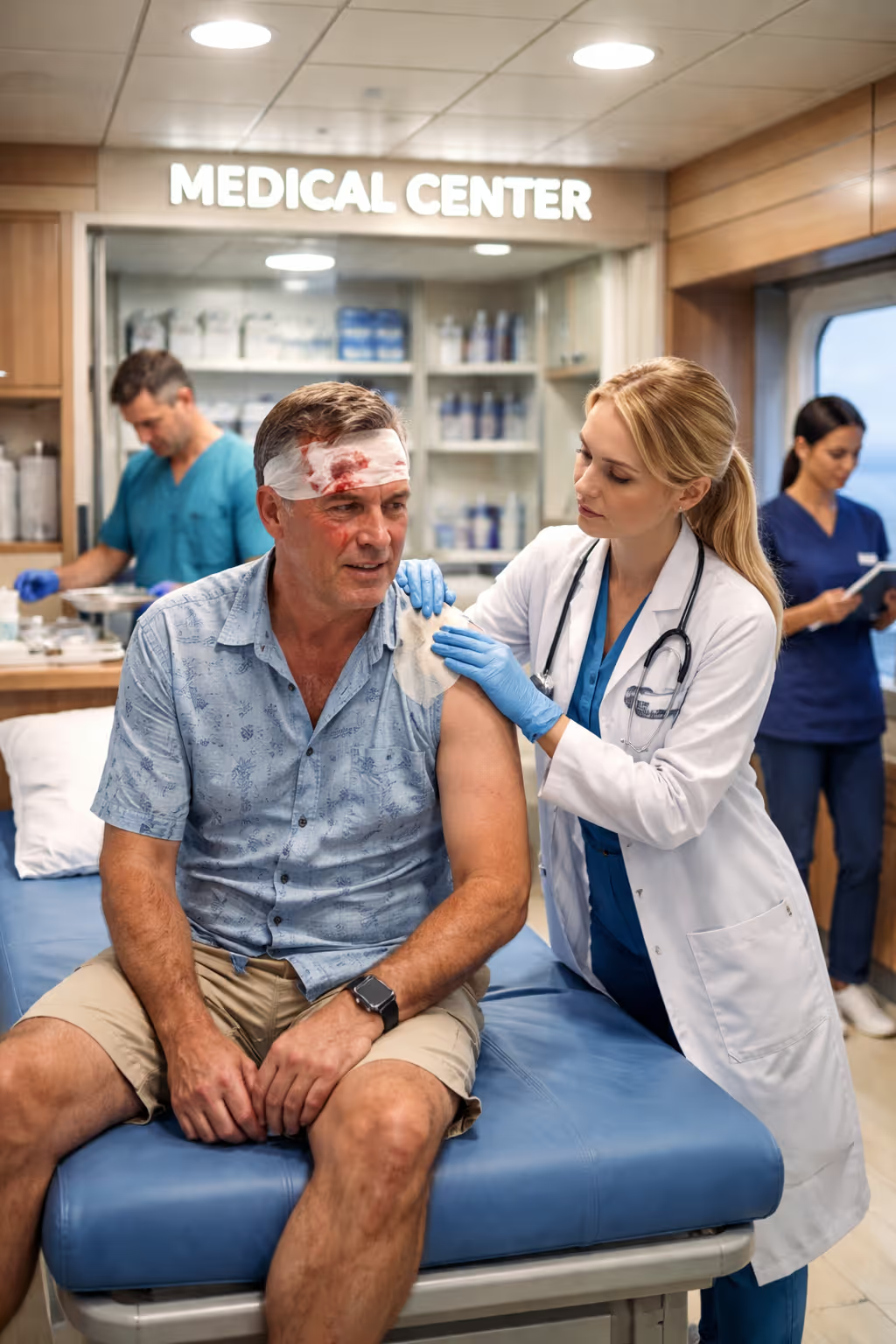
Cruise ship medical negligence can occur when onboard doctors misdiagnose injuries, delay treatment, or fail to evacuate passengers for emergency care. Learn how cruise ship medical malpractice happens and what injured passengers should know.
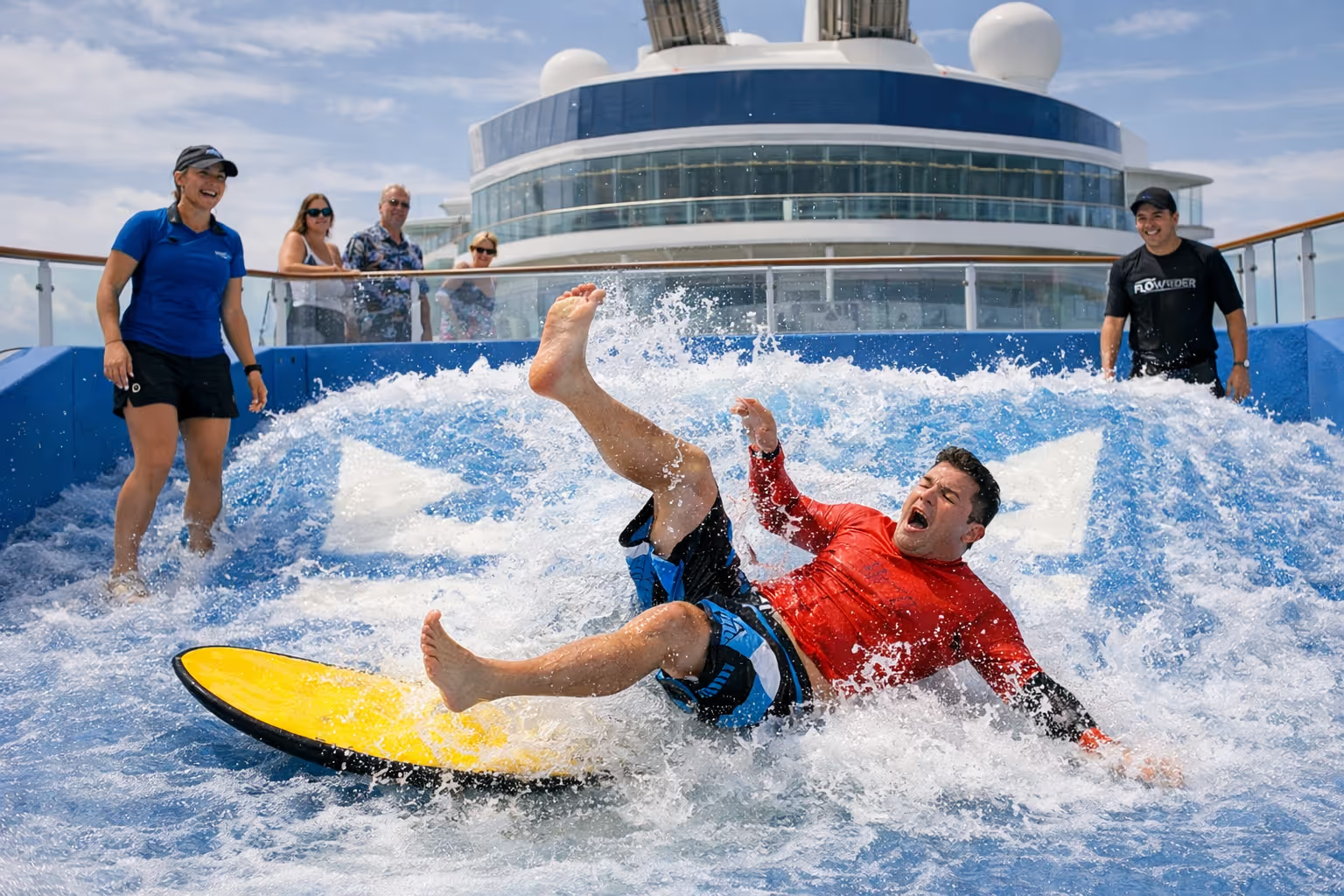
FlowRider surf simulators are popular attractions on many cruise ships, but falls can lead to serious injuries including fractures, head injuries, and spinal trauma. Learn how these cruise ship accidents happen and what passengers should know.
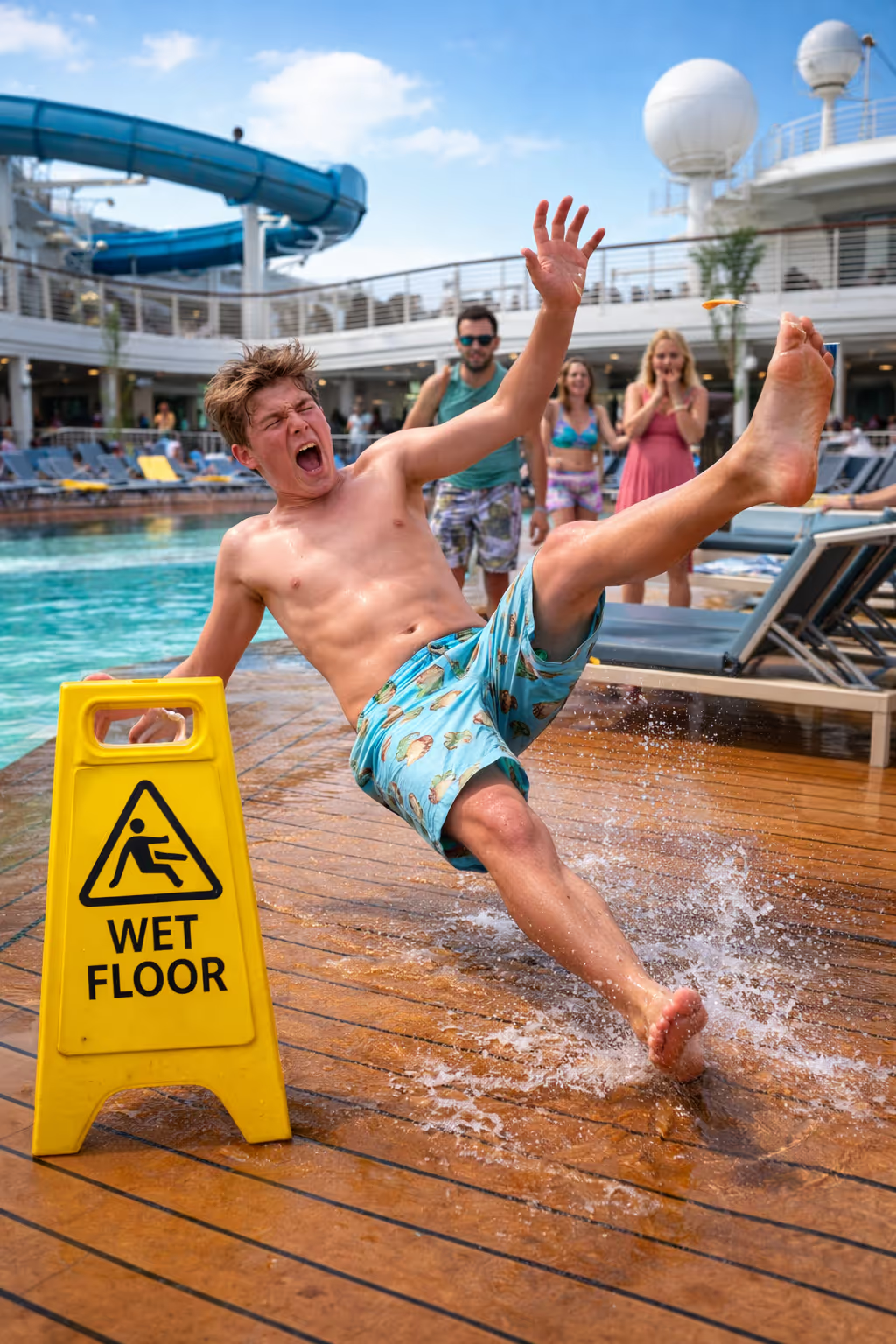
Certain areas of cruise ships present a higher risk for passenger accidents. Discover the most common locations where cruise ship injuries occur, including pool decks, stairways, recreational attractions, and tender boarding areas.
Being injured on a cruise is a traumatic experience. Injuries on a cruise usually occur in international waters, and finding the right attorney when you are injuried is no easy task. Let us take the guesswork out of finding the right lawyer.