Cruise ship accidents can happen in a variety of onboard environments, from pool decks to stairways and dining areas. When an incident occurs, many passengers are unsure what steps follow or how these situations are typically handled.
Understanding what happens after a cruise ship accident can help passengers navigate the immediate aftermath, reporting process, and potential next steps.
Cruise ship accidents can occur in a wide range of onboard environments, from pool decks and stairways to dining areas and recreational attractions. While many vacations proceed without incident, passengers who experience an injury are often left wondering what happens next.
Understanding what typically occurs after a cruise ship accident can help passengers navigate the immediate aftermath, reporting process, and follow-up steps with greater clarity. This guide outlines the common stages passengers encounter after an onboard incident.
After an accident occurs on a cruise ship, the first priority is usually addressing any injuries. Passengers often seek medical attention onboard, especially if the incident involves a fall, impact, or hazardous condition.
In many cases, crew members or nearby staff are notified immediately. Cruise lines generally have procedures in place for responding to passenger incidents, which may include escorting the injured passenger to the ship’s medical center or documenting the situation.
Even in situations where injuries initially seem minor, passengers frequently choose to report the incident. Early reporting helps establish a record of what occurred and when it happened.
Cruise ships typically maintain internal processes for documenting accidents and passenger injuries. After an incident is reported, passengers may be asked to provide details about what happened.
This process can include:
• Completing an incident report
• Describing the location and conditions where the accident occurred
• Identifying any contributing factors, such as wet surfaces or crowding
• Noting the time and circumstances surrounding the event
• Crew members may also document the area, speak with witnesses, or generate internal reports
Passengers researching cruise ship accidents often look for information about how these reports are handled, as documentation can play an important role in understanding the sequence of events.
Most modern cruise ships are equipped with onboard medical facilities staffed by healthcare professionals. These medical centers are designed to handle a range of conditions, from minor injuries to more serious medical situations.
After an accident, passengers may receive:
• Evaluation of injuries
• Basic treatment or stabilization
• Recommendations for follow-up care
• Medical documentation of the incident
In more serious cases, additional steps may be taken. Depending on the ship’s location and available resources, this can include arranging treatment at the next port of call or coordinating transportation to a medical facility onshore.
Medical records created onboard often become an important part of understanding what occurred after the incident.
After a cruise ship accident, some passengers choose to document the scene and surrounding conditions. This may include taking photographs, noting environmental factors, or identifying witnesses.
Common details passengers may record include:
• Surface conditions (wet floors, uneven surfaces, debris)
• Lighting conditions in the area
• Presence of warning signs or lack thereof
• Crowd levels or congestion
• The specific location of the incident
Because cruise ship environments can change quickly, especially in high-traffic areas, documenting conditions early can help preserve details that may not be as visible later.
Passengers researching cruise ship injuries frequently look for guidance on what types of information are relevant when reviewing how an accident occurred.
Cruise lines operate under specific internal policies that may influence how passenger incidents are handled. These procedures can vary depending on the cruise line, the nature of the incident, and where the ship is located at the time.
Passengers may encounter processes related to:
• Incident reporting requirements
• Medical evaluations and documentation
• Internal reviews of onboard incidents
• Communication with ship personnel
In addition, cruise ticket contracts often contain provisions related to reporting timelines and procedures. Passengers sometimes review these documents after an incident to better understand how cruise ship accidents are addressed.
After returning home, passengers who experienced a cruise ship accident often continue addressing the situation. This stage may involve ongoing medical care, reviewing documentation, and researching what steps are typically taken following an onboard injury.
Common post-cruise actions include:
• Following up with healthcare providers
• Organizing medical records and incident documentation
• Reviewing photos or notes taken at the time of the incident
• Researching similar cruise ship accident scenarios
For many passengers, this is also when they begin looking more closely at how cruise ship injuries are handled and what options may be available based on the circumstances.
Cruise ship accidents can involve factors that differ from typical land-based incidents. Because cruise ships operate across international waters and ports, multiple jurisdictions may be involved.
These situations are often governed by maritime law, which can introduce unique considerations such as:
• Where a claim may be filed
• Applicable legal frameworks
• Reporting timelines
• Contractual provisions outlined in cruise tickets
As a result, passengers researching cruise ship accidents often encounter information that differs from standard personal injury scenarios on land.
While accidents can happen in many parts of a ship, certain areas are more frequently associated with passenger injuries.
These include:
• Pool decks and water attraction areas
• Stairways and interior walkways
• Buffet and dining areas
• Waterslides and recreational features
• Balcony areas in passenger staterooms
• Tender boarding zones
• Submerged steps and wet transition surfaces
Each of these environments can present different conditions, such as moisture, movement, or crowding, that may contribute to accidents.
Understanding these locations can help passengers recognize potential hazards and better understand how incidents occur onboard.
If you were injured on a cruise ship, you may wish to explore your options and better understand what steps are available based on your situation.
A professional familiar with cruise ship injury matters can review the circumstances of an incident and help explain potential next steps in a clear and straightforward way.
Below are some Frequently Asked Questions we receive from cruise ship passengers about their Guest Injury Claims.
Question not below? Contact us today
Passengers often seek medical attention, report the incident to crew members, and document the conditions where the accident occurred. Taking these steps early can help establish a clear record of events.
Cruise ships typically maintain internal incident reports that include details about the location, conditions, and nature of the injury. These reports are often created shortly after an incident is reported.
Most cruise ships have onboard medical centers staffed by healthcare professionals. These facilities can provide treatment for a range of injuries and medical conditions.
In more serious situations, passengers may be transported to medical facilities at port or evacuated, depending on the severity of the condition and the ship’s location.
Cruise ship accidents may involve maritime law and multiple jurisdictions. This can affect how incidents are reviewed and what processes apply after an injury occurs.
Submerged steps and pool entry areas can present slip and fall risks, particularly around hot tubs, pools, and children’s water play zones. Water can obscure step edges and reduce traction, making footing less predictable.
Slip and fall incidents can occur on jacuzzi or hot tub steps when surfaces are submerged or consistently wet. Visibility and traction may vary, which can increase the likelihood of losing balance when entering or exiting these areas.
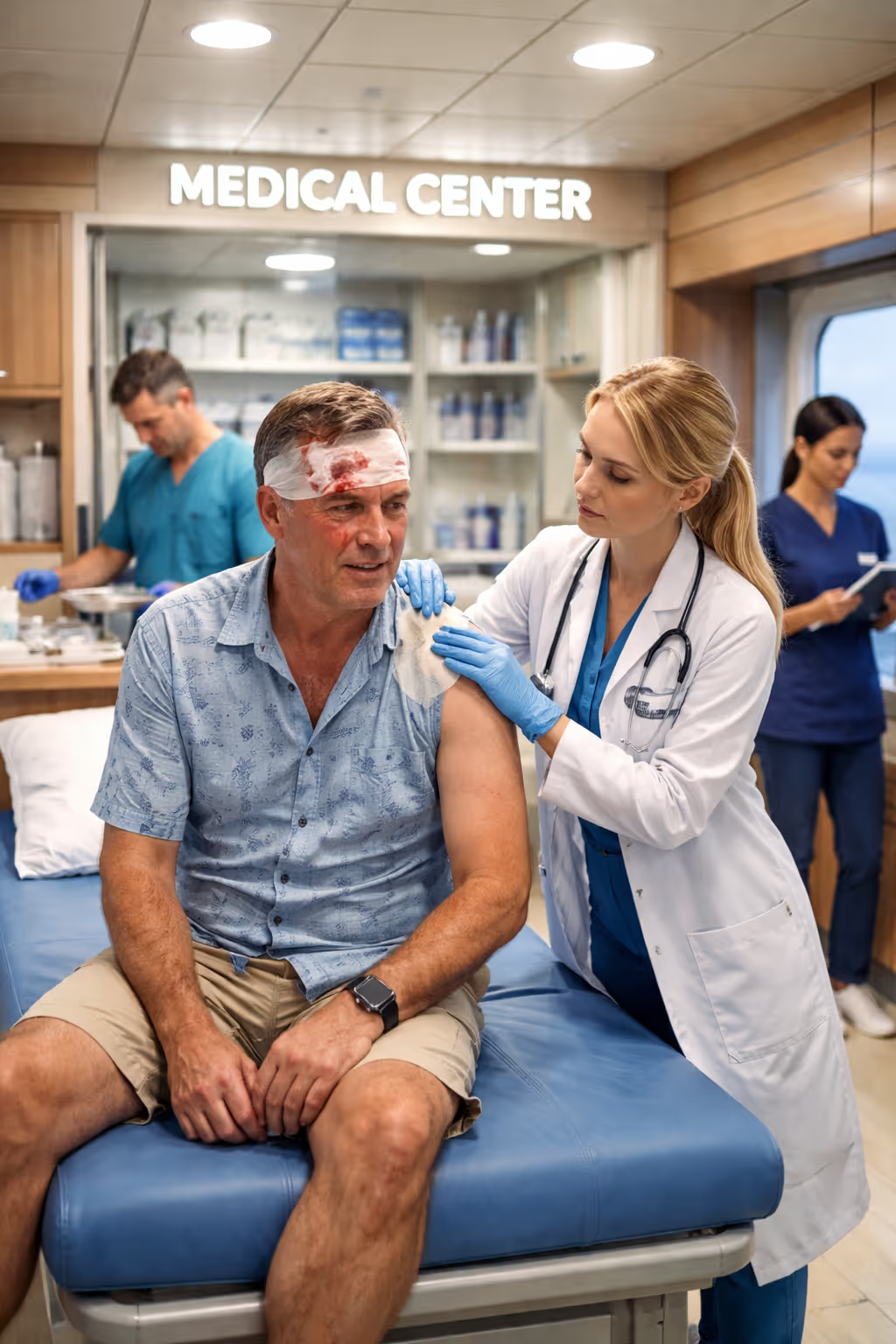
Cruise ship medical negligence can occur when onboard doctors misdiagnose injuries, delay treatment, or fail to evacuate passengers for emergency care. Learn how cruise ship medical malpractice happens and what injured passengers should know.
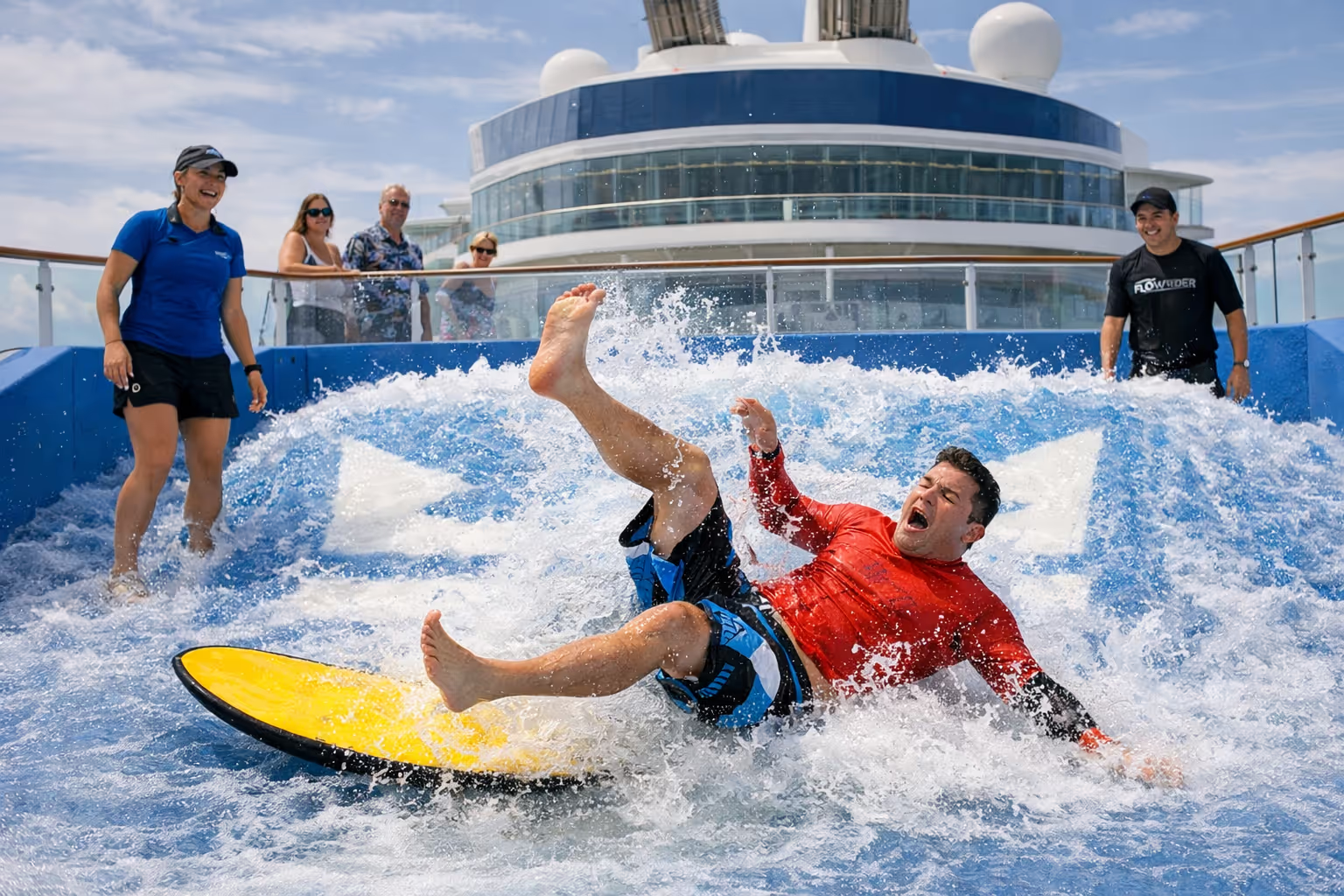
FlowRider surf simulators are popular attractions on many cruise ships, but falls can lead to serious injuries including fractures, head injuries, and spinal trauma. Learn how these cruise ship accidents happen and what passengers should know.

Certain areas of cruise ships present a higher risk for passenger accidents. Discover the most common locations where cruise ship injuries occur, including pool decks, stairways, recreational attractions, and tender boarding areas.
If you were injured on a cruise ship, tender boat, private island, or during a shore excursion, you may have legal options. Share a few details below and we will help connect you with an attorney experienced in cruise passenger injury claims.